


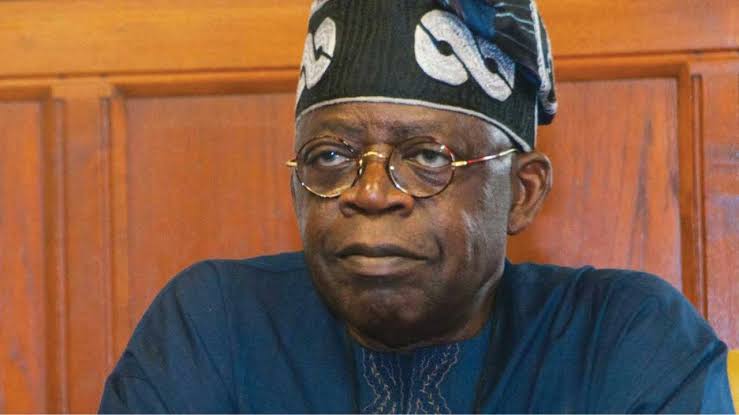
A new study has revealed that about 63 percent of citizens in fell below the poverty line following the removal of petrol subsidy introduced by the administration of .
The findings were presented during a policy dialogue organised by in , where policymakers, economists, and civil society groups gathered to assess the impact of Nigeria’s ongoing economic reforms.
Poverty Rate Rose From 49.8% to 63%
According to the research presented by economist of the , the national poverty rate surged from about 49.8 percent to roughly 63 percent shortly after the subsidy removal.
The report said the economic reform triggered widespread price increases across multiple sectors, significantly affecting household welfare.
However, the poverty rate later declined slightly to about 56.2 percent after the government introduced social protection measures such as cash transfer programmes.
Low-Income Households Hit Hardest
The study showed that the economic shock was not evenly distributed among Nigerians.
Low-income households experienced the most severe impact as rising transport, fuel, and electricity costs significantly reduced their purchasing power.
The national poverty gap—which measures the depth of poverty—also widened considerably, increasing from 31.6 percent to over 45 percent after the subsidy removal.
Experts noted that this means many poor households became even poorer during the period.
Consumption Declined Across Nigeria
The research also found that household consumption declined across different income groups following both the subsidy removal and electricity tariff adjustments.
Rural households and urban low-income groups were particularly affected as rising energy and transportation costs forced many families to reduce spending on essential needs.
According to the study, many Nigerians responded to the economic shock by:
- Reducing transportation use
- Cutting household consumption
- Rationing electricity
- Borrowing money to meet basic needs
“Households adjusted to the shocks not through recovery but through sacrifice,” Shuaibu explained.
Businesses Also Under Pressure
Businesses also reported significant challenges resulting from the reforms.
Many firms said higher fuel and electricity costs increased operating expenses, forcing them to raise prices, reduce staff, or shut down operations.
Some companies have also begun switching to alternative energy sources in order to cope with rising energy costs.
Government Officials Defend Economic Reforms
Speaking at the dialogue, , Deputy Governor for Economic Policy at the , defended the reforms, stating that Nigeria’s economy previously suffered from major structural distortions.
He explained that oil revenue had declined sharply over the past decade, falling from about $92 billion in 2012 to less than $2 billion in 2023.
According to him, the subsidy regime and exchange rate distortions were estimated to have cost the country about six percent of its Gross Domestic Product (GDP).
Despite the short-term hardship, Abdullahi said the reforms are beginning to produce early macroeconomic improvements, including declining inflation and improving foreign reserves.
Calls for Stronger Social Protection
Economists at the dialogue urged the government to expand social protection programmes to support vulnerable households.
, a senior economist at the , recommended strengthening Nigeria’s social register to ensure financial support reaches the poorest citizens quickly.
Experts also stressed that sustained dialogue and targeted economic policies will be necessary to ensure that the benefits of the reforms eventually reach ordinary Nigerians.
