


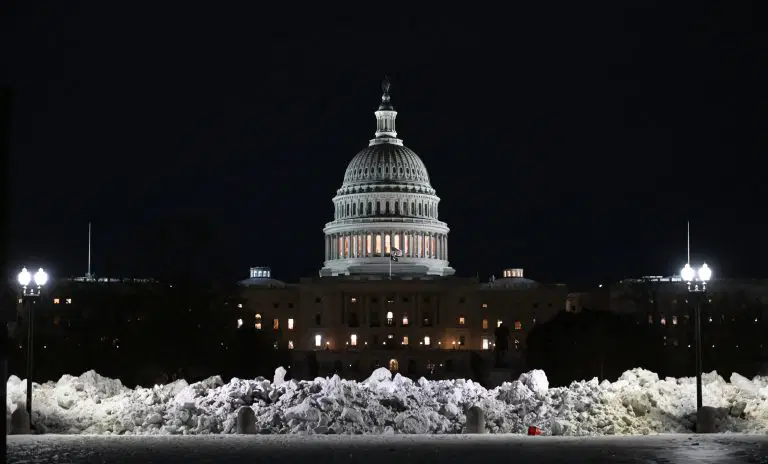
The United States federal government entered a partial shutdown on Saturday, January 30, 2026, after Congress missed the midnight deadline to approve the 2026 budget. The disruption is expected to be limited, with the House of Representatives set to act early next week to ratify a Senate-backed funding deal.
The shutdown follows a breakdown in negotiations caused by Democratic outrage over the deaths of two protesters in Minneapolis at the hands of federal immigration agents. These events stalled talks on new funding for the Department of Homeland Security (DHS).
Senate Democratic Minority Whip Dick Durbin criticized the administration on social media, stating:
“Instead of going after drug smugglers, child predators, and human traffickers, the Trump Administration is wasting resources targeting peaceful protesters in Chicago and Minneapolis. This Administration continues to make Americans less safe.”
Scope of the Shutdown
Approximately three-quarters of federal operations are affected, potentially impacting education, health, housing, defense, and other key sectors. Agencies have begun implementing shutdown protocols, though congressional leaders from both parties suggest a short disruption is likely if the House approves the Senate package early next week.
If the shutdown extends beyond a few days, tens of thousands of federal workers could be placed on unpaid leave or required to work without pay until funding is restored.
Late Friday, the Senate cleared five outstanding funding bills covering most federal agencies through September, alongside a two-week DHS stopgap measure to allow continued operations while negotiations on immigration policy continue. President Donald Trump endorsed the Senate deal and urged swift action by the House to prevent a prolonged shutdown, marking the second of his second term.
Political Backlash and Negotiations
The Senate deal followed Republican Senator Lindsey Graham lifting a procedural block over disagreements on DHS provisions and other legislative language. Democrats have insisted on changes to immigration enforcement after the fatal shootings of Alex Pretti and Renee Good in Minneapolis, demanding reforms for agent accountability, tighter warrant requirements, and limits on certain enforcement tactics.
The White House’s decision to separate DHS funding from the broader budget package signals a recalibration of deportation policies amid growing political scrutiny. Republicans remain divided, with some warning against concessions that could weaken immigration enforcement.
Although six of the 12 annual funding bills have been approved, the remaining bills cover large portions of discretionary spending, making the funding lapse significant if unresolved. The Office of Management and Budget has instructed agencies to prepare for an “orderly shutdown,” emphasizing hopes for a brief disruption.
