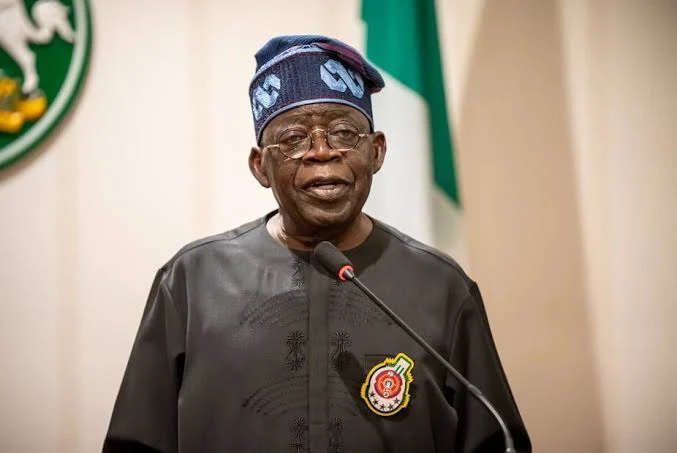
The Federal Government can legally monitor the phone conversations of Nigerians when national security is at stake, according to Temitope Ajayi, Senior Special Assistant to President Bola Tinubu on Media and Publicity.
Ajayi made the clarification while responding to comments on his Facebook post addressing remarks by former Kaduna State Governor, Nasir El-Rufai, who admitted during a television interview that an unnamed individual tapped the phone of the National Security Adviser (NSA), Nuhu Ribadu.
Controversy Over Alleged Phone Tapping
El-Rufai had appeared on Arise TV Prime Time, where he claimed that he was privy to conversations involving the NSA because “someone tapped his phone.” During the interview, when reminded that such action was illegal, he acknowledged the illegality but alleged that government agencies frequently engage in similar practices without court orders.
Responding to a Facebook user who accused the government of similar conduct, Ajayi stated that the government has lawful authority to intercept communications for national security purposes.
“The government can legitimately listen to your conversation for national security reasons. Only the government is allowed to do what is illegal for citizens to do in order to protect and preserve the collective,” Ajayi wrote.
He likened the authority to carry out surveillance to the government’s exclusive right to bear arms for security enforcement, noting that while citizens may possess firearms under strict licensing laws, broader powers remain vested in the state.
Airport Incident and Allegations
The controversy follows a recent confrontation at the Abuja airport involving El-Rufai and security operatives. The former governor alleged that the Department of State Services (DSS) attempted to arrest him on the orders of Ribadu. He further claimed that his international passport was temporarily seized during the encounter.
El-Rufai also accused Kaduna State Governor Uba Sani and the chairman of the Independent Corrupt Practices and Other Related Offences Commission (ICPC) of being involved in an alleged plot against him.
The incident has intensified political tensions, particularly as El-Rufai has remained critical of the Tinubu administration since his ministerial nomination was rejected by the Senate in 2025.
Legal Debate on Surveillance Powers
Ajayi’s remarks have reignited public debate over the scope of government surveillance powers in Nigeria, particularly concerning constitutional protections of privacy and the requirement for judicial authorisation in communication interception.
Security analysts note that while national security laws permit lawful interception under specific circumstances, such actions are typically expected to follow due process and regulatory oversight.
As the political dispute unfolds, the issue of state surveillance, civil liberties, and accountability remains central to the broader national conversation on governance and security in Nigeria.