


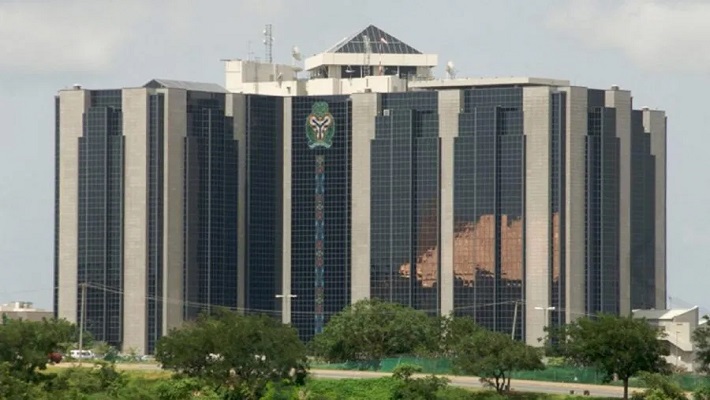
Thirteen Nigerian banks are facing mounting pressure as the March 31, 2026 recapitalisation deadline set by the Central Bank of Nigeria (CBN) draws closer, with only weeks left to meet the new minimum capital requirements.
CBN Governor Olayemi Cardoso announced that 20 out of the 33 participating banks have successfully met the revised capital threshold under the apex bank’s sweeping banking sector reform. According to him, the institutions have collectively raised a verified and approved total of ₦4.05 trillion as of February 19, 2026.
Cardoso disclosed the update at the conclusion of the Monetary Policy Committee (MPC) meeting in Abuja, noting that the committee welcomed the significant progress recorded so far. He added that most financial soundness indicators across the banking sector remain within regulatory benchmarks, reflecting resilience despite prevailing economic challenges.
Breakdown of the funds raised shows that ₦2.90 trillion, representing 71.67 percent, came from domestic investors, while foreign participation accounted for $706.84 million, equivalent to about ₦1.15 trillion, or 28.33 percent of the total. The CBN governor described the mix of local and foreign capital inflows as a strong vote of confidence in Nigeria’s financial system.
However, 13 banks are yet to complete their recapitalisation processes. Industry sources indicate that some of the affected lenders are exploring strategic options, including mergers, acquisitions, and other forms of consolidation, to meet the regulatory requirement before the non-negotiable deadline.
Cardoso explained that certain banks currently under regulatory intervention face legal and structural constraints, which may affect the timing and sequencing of their capital-raising efforts. He noted that it would be unrealistic to expect such institutions to follow the same timeline as banks that had over two years to prepare.
Despite the uncertainty surrounding the remaining lenders, the CBN reassured the public that depositors’ funds remain safe. The apex bank emphasised that all affected institutions continue to operate under strict supervisory and regulatory oversight to safeguard financial stability.
The March 31 recapitalisation deadline forms part of broader reforms aimed at strengthening Nigeria’s banking sector, enhancing shock absorption capacity, and positioning lenders to support long-term economic growth.
With just weeks to go, attention now shifts to the 13 banks yet to meet the capital requirement and whether last-minute deals or investor injections will help them cross the regulatory threshold in time.