The Federal Government has reaffirmed its commitment to improving girl child water security by expanding access to safe water and sanitation across Nigeria. Officials say reliable water systems remain essential to achieving gender equality and sustainable development.
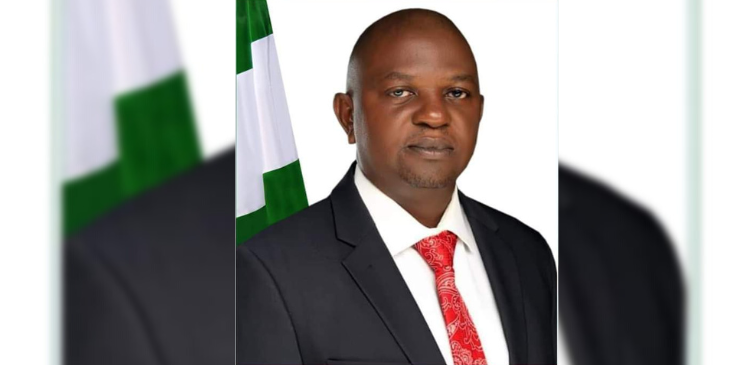
The Minister of Water Resources and Sanitation, Joseph Utsev, made this known on Tuesday in Abuja during a press briefing to mark the World Water Day 2026.
Water Access Key to Reducing Burden on Girls
Speaking on the theme “Water and Gender: Where Water Flows, Equality Grows,” the minister explained that poor access to water affects women and girls the most.
He noted that many girls face health risks, miss school, and spend long hours fetching water. As a result, their productivity and opportunities remain limited.
He stressed that improving girl child water security will reduce these challenges and improve dignity, safety, and participation in education and economic activities.
FG Expands Water Projects Nationwide
The government has intensified efforts to improve access to clean water. According to the minister, authorities have constructed and rehabilitated over 6,700 water schemes nationwide. These projects now provide safe drinking water to more than 32 million Nigerians.
In addition, about 500 new projects have been completed in underserved areas. These include solar-powered boreholes, water storage systems, and distribution networks.
Importantly, these communities often face the highest water shortages, which directly affect women and girls. Therefore, the projects aim to close this gap and improve living conditions.
Improving Girl Child Water Security Through Access
The government has also strengthened sanitation programmes under the Clean Nigeria Campaign. So far, more than 5,200 public sanitation facilities have been constructed.
Furthermore, 162 local government areas have achieved open defecation-free status. These efforts help protect the health and dignity of women and girls.
As a result, improved sanitation now complements progress in girl child water security across the country.
Partnerships Expand Water and Hygiene Services
The ministry continues to work with development partners through programmes such as SURWASH and PEWASH. These initiatives deliver water, sanitation, and hygiene services in 17 states and the Federal Capital Territory.
Moreover, they strengthen governance, accountability, and service delivery at the community level. This collaboration ensures long-term sustainability of water projects.
Government Promotes Gender Inclusion in Water Governance
The minister said the government will continue to integrate gender considerations into water policies. He added that authorities are promoting women’s participation in decision-making across the sector.
In addition, efforts are underway to expand access to clean water in schools, healthcare facilities, and rural communities.
He also noted that investments in irrigation, dams, and water infrastructure will support food security and economic resilience, especially for women.
Stakeholders Urged to Strengthen Collaboration
The minister called on stakeholders to work together to improve water access nationwide. He urged government agencies, private sector players, and civil society groups to increase collaboration.
According to him, stronger partnerships will ensure that no Nigerian especially women and girls is left behind.
Experts Link Water Crisis to Gender Inequality
Chiranjibi Tiwari, WASH Manager at UNICEF, described Nigeria’s water challenge as a gender issue.
He said women and girls continue to carry the heaviest burden in areas with limited access to water. Therefore, he called for better implementation of gender-focused policies.
He also stressed the need for improved data collection and targeted interventions to address inequalities in the sector.
Girl child water security remains central to Nigeria’s development goals. Expanding access to clean water and sanitation will improve health, education, and economic opportunities for millions of girls.