


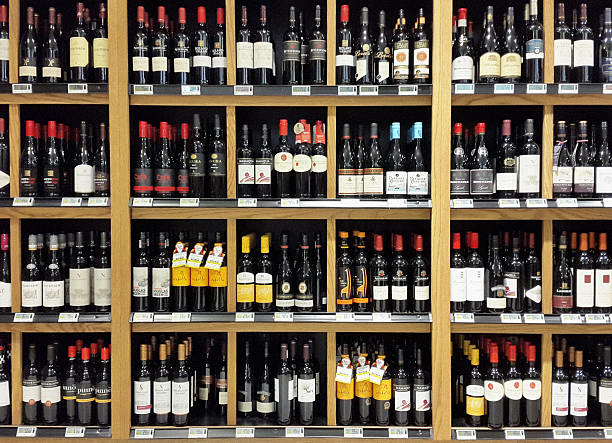
Growing concerns over the circulation of fake wines and adulterated alcoholic beverages in Onitsha, Anambra State, have triggered widespread distrust among traders, with many dealers reportedly becoming increasingly cautious about purchasing products from fellow wholesalers.
The development has raised serious questions about consumer safety, the authenticity of alcoholic drinks sold in Nigerian markets and the effectiveness of regulatory measures against counterfeit products.
According to an investigation published by LEADERSHIP, some wine and spirits dealers in the commercial city now avoid unfamiliar suppliers because counterfeit products are becoming difficult to distinguish from genuine brands.
Traders expressed fears that unknowingly selling adulterated beverages could endanger consumers, destroy business reputations and expose legitimate businesses to financial losses.
Onitsha Wine Dealers Express Fear Over Fake Products
Several traders who spoke to LEADERSHIP described a growing atmosphere of suspicion within the market, explaining that attractive packaging and seemingly genuine labels no longer guarantee product authenticity.
Some dealers reportedly prefer buying from established distributors, even when prices are higher, rather than purchasing cheaper products from suppliers they cannot independently verify.
The traders alleged that counterfeiters sometimes recycle original bottles, imitate popular wine labels and reseal containers to make adulterated beverages appear genuine.
As a result, dealers are increasingly concerned about the possibility of distributing unsafe drinks without knowing their actual contents.
The situation has also weakened confidence among wholesalers who previously relied on longstanding commercial relationships and informal supply networks.
NAFDAC Uncovers Fake Alcohol Production Operations
The concerns follow a series of enforcement operations carried out by the National Agency for Food and Drug Administration and Control (NAFDAC) and other security agencies in the South-East.
In December 2022, NAFDAC seized counterfeit alcoholic beverages valued at more than ₦1 million during operations in Onitsha and Aba.
Investigators reportedly discovered the reuse of branded bottles, altered labels and other packaging materials associated with counterfeit alcoholic drinks.
In October 2024, a joint enforcement operation in Onitsha uncovered a suspected illegal alcoholic beverage production facility along Onowu Street, near the Enugu-Onitsha Expressway.
Authorities reportedly recovered more than 2,000 cartons of suspected counterfeit wines and packaged drinks, while seven suspects were arrested.
The operation also revealed equipment and materials allegedly used for mixing, packaging and distributing adulterated alcoholic beverages.
Police Arrest Suspects Over Adulterated Drinks in Anambra
The problem continued into 2026, with the Anambra State Police Command announcing the arrest of two suspects in June over alleged involvement in producing and distributing adulterated alcoholic drinks.
Police spokesperson Tochukwu Ikenga said officers recovered suspected counterfeit spirits bearing registered brand names, alongside chemicals allegedly used in their production.
Investigators were also reportedly led to a small production facility connected to the suspects.
These discoveries have heightened concerns that counterfeit alcoholic beverages could enter legitimate retail networks through illegal production and distribution channels.
NAFDAC Seizes Billions in Suspected Fake Drinks Across Nigeria
Beyond Anambra State, regulatory agencies have conducted major operations against suspected counterfeit alcoholic beverage producers in several parts of the country.
In December 2023, NAFDAC raided Aba’s Eziukwu Market, commonly called Cemetery Market, where it reportedly discovered illegal production activities involving fake wines, spirits and other consumable products.
The agency said it confiscated and destroyed products and materials worth more than ₦750 million.
In April 2026, NAFDAC announced the discovery of two suspected illegal alcohol production networks in Lagos State, with counterfeit and adulterated products valued at approximately ₦350 million recovered.
Another enforcement exercise at the Lagos International Trade Fair Complex in October 2026 reportedly resulted in the seizure of suspected counterfeit beverages and related materials valued at more than ₦2 billion.
The operations highlight the continuing difficulties facing regulators in identifying illegal production facilities and preventing counterfeit drinks from entering the market.
Health Experts Warn Fake Alcohol Can Cause Blindness, Death
Medical experts have warned that adulterated alcoholic beverages may contain harmful chemicals capable of causing severe health complications.
One major concern is methanol contamination, which can cause serious poisoning when ingested.
Depending on the substance and level of exposure, contaminated alcoholic drinks may cause vomiting, severe headaches, breathing difficulties, visual impairment, organ damage and death.
Health professionals caution that consumers cannot reliably determine whether alcoholic beverages are safe simply by checking their taste, smell, bottle or packaging.
Anyone experiencing symptoms of suspected alcohol poisoning, particularly blurred vision, severe vomiting or unusual dizziness after consuming a drink, should seek emergency medical care.
Traders Demand Stronger Action Against Counterfeit Drinks
The growing anxiety among wine dealers has renewed calls for stronger market surveillance, improved product verification and more consistent enforcement against illegal alcoholic beverage producers.
Consumer protection specialists have emphasised the need to investigate not only production facilities but also the distribution networks through which counterfeit products reach wholesalers, retailers and final consumers.
Market associations have also been encouraged to cooperate with regulators by identifying suspicious suppliers and reporting suspected counterfeit activities.
For consumers, purchasing from reputable retailers and checking official product verification information can reduce exposure to potentially dangerous products, although packaging alone cannot establish authenticity.
The situation in Onitsha underscores the importance of restoring confidence in Nigeria’s beverage distribution system while protecting legitimate traders and consumers from the health and economic consequences of counterfeit products.