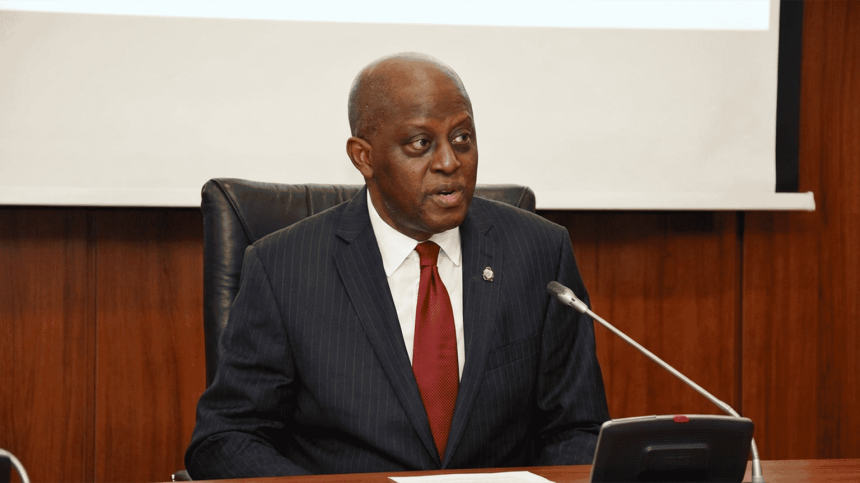
The Central Bank of Nigeria (CBN) has raised ₦825 billion in its final debt auctions for 2025, reflecting strong investor confidence and sustained appetite for government securities as the year ends.
The massive subscription underscores continued demand for high-yield fixed-income instruments, especially in an environment marked by high inflation, tight monetary conditions, and limited low-risk investment options.
Treasury Bills and similar instruments remain attractive to institutional investors seeking stable returns and capital preservation.
Economic Impact
The successful auction reinforces the CBN’s liquidity management strategy, helping to mop up excess naira and curb inflationary pressures. However, analysts warn that sustained high borrowing by the government could increase interest rates across the economy, thereby raising borrowing costs for businesses and households.
Implications for Housing and Real Estate
Experts say the development poses mixed outcomes for the real estate sector. While government securities offer safer alternatives to investors, they can divert funding away from real estate and housing projects, particularly affordable housing initiatives already struggling with high costs and long gestation periods.
High yields on Treasury Bills also translate into tighter credit conditions, further reducing access to mortgage financing for Nigerians. With mortgage penetration still below 1% of GDP, the combination of high interest rates and rising urban housing costs continues to make homeownership less affordable.
Outlook for 2026
As Nigeria moves into 2026, the main challenge for policymakers will be balancing fiscal discipline with growth. Economists have warned that continued dependence on high-cost domestic borrowing could crowd out private investment and slow expansion in critical sectors such as housing, infrastructure, and manufacturing.
The final 2025 auction confirms that Nigeria’s financial markets remain liquid and resilient, but converting that liquidity into inclusive economic growth and affordable housing remains a key test for the coming year.