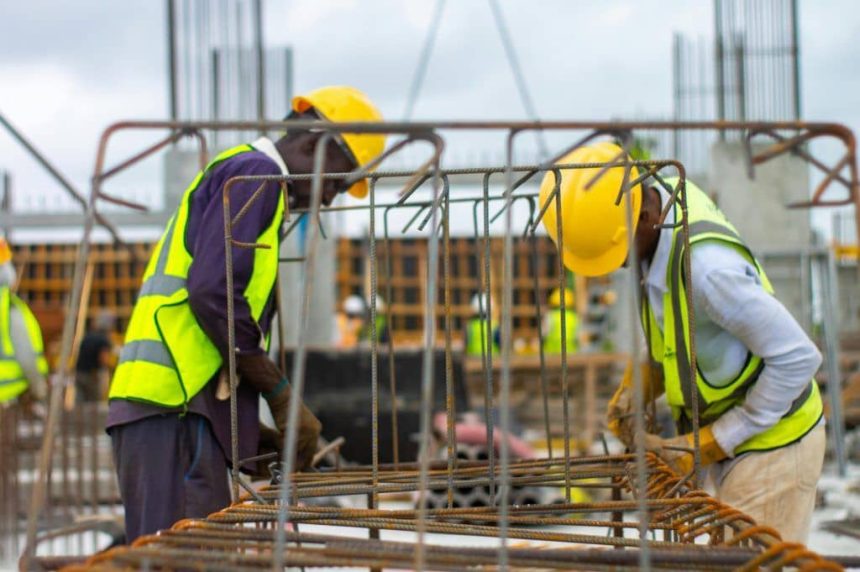
Nigeria’s affordable housing deficit has reached alarming levels, with the gap widening from about 14 million units in 2010 to an estimated 28 million units in 2024. Rising construction costs, inflation, and naira depreciation have pushed homeownership out of reach for most Nigerians, leaving only about 10 percent with access to adequate housing.
To tackle this crisis, EmmanPlus Porch Homes Nigeria Limited has called for the adoption of cost-efficient construction methods, flexible ownership models, and strategic partnerships to boost housing supply, particularly for low- and middle-income earners.
Speaking in Lagos, the firm’s Operations Manager, Bamidele Akinmola, highlighted the use of locally sourced building materials and alternative construction technologies as key strategies to reduce dependence on imports and cushion the impact of rising costs.
“Nigeria’s housing challenge is no longer just about numbers; it is about affordability and access,” Akinmola said. “By optimising construction processes, sourcing materials locally, and adopting phased development models, we are able to reduce costs and pass those savings on to homebuyers.”
The firm also plans to expand rent-to-own and structured payment schemes, allowing prospective homeowners to spread payments over time without the high upfront costs associated with conventional mortgages. This approach aims to make homeownership accessible to Nigerians excluded from traditional mortgage systems.
Akinmola further emphasized the importance of securing land through transparent processes and collaborating with state governments, host communities, and private partners. He noted that sustained private-sector participation, alongside government-led housing programs, is crucial to narrowing Nigeria’s housing gap.
“Large-scale housing development can stimulate economic growth, create jobs across the construction value chain, and improve living conditions in rapidly expanding urban centers,” he said. “As pressure continues to mount in cities like Lagos, Akure, Abuja, and Port Harcourt, our interventions aim to deliver practical, scalable solutions that can gradually reduce Nigeria’s housing deficit.