


In a major policy move, the Enugu State Government has reduced land-related rates by 60% and banned all forms of illegal levies, aiming to ease the cost of property ownership and attract investors.
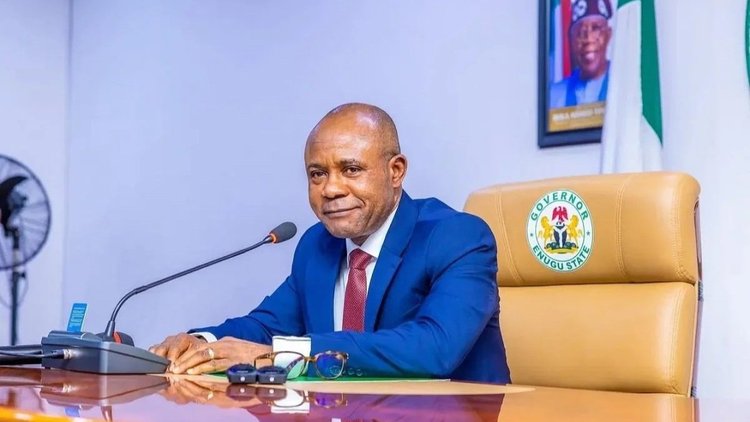
The announcement was made during a stakeholders’ town hall on land development at the International Conference Centre, Enugu, on Thursday. Governor Peter Mbah was represented by the Secretary to the State Government, Prof. Chidiebere Onyia.
Unified Land Use Charge Introduced
The reform introduces a Unified Land Use Charge, combining ground rent, land use fees, and property taxes into a single annual payment. This system:
Requires one payment per year through the Enugu State Internal Revenue Service (EIRS).
Applies to all properties, including both government estates and private layouts.
Is digitized through the Enugu State Geographic Information System (ENGIS), reducing hidden charges and eliminating double payments.
The streamlined system is expected to significantly lower the cost of land acquisition and ownership, benefiting both residents and real estate developers.
Crackdown on “Ogbonecheagu” Fees
A major part of the reforms is the ban on illegal “Ogbonecheagu” levies, previously collected by some local agents and communities. Governor Mbah declared these charges illegal and instructed their immediate abolition.
To enforce compliance, the government has:
Set up a Task Force to monitor sites and prevent illegal levies.
Established a whistleblowing channel (Whistleblowing@enugustate.gov.ng) for residents to report extortion attempts.
Urban Expansion and Improved Tenure Security
The state has also designated nine additional local government areas as urban areas, enabling structured planning, infrastructure development, and faster issuance of Certificates of Occupancy (C of O).
ENGIS Managing Director Chiwetalu Nwatu highlighted that full digitization of land records now allows every plot in the state to be tracked, with C of O applications processed within 48 to 72 hours, improving the ease of doing business in Enugu.
By cutting land rates and eliminating informal levies, the Mbah administration aims to unlock the economic potential of land, stimulate real estate investment, and remove longstanding barriers to urban development. Stakeholders, including traditional rulers and developers, have welcomed the reforms, describing them as a bold step toward making Enugu a hub for sustainable property investment.
