


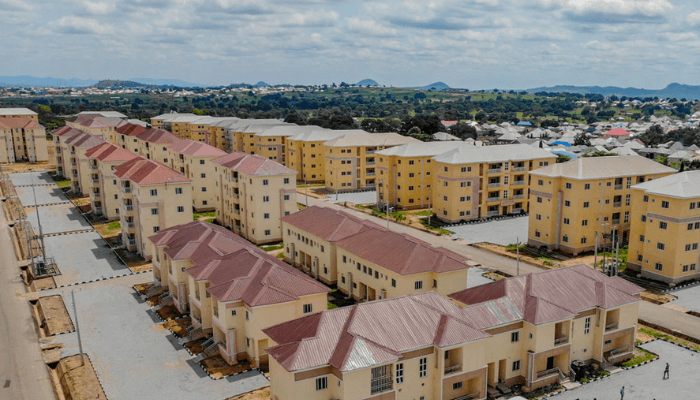
The Federal Government has raised fresh concerns over Nigeria’s widening housing deficit, warning that the shortfall continues to deepen despite ongoing policy interventions in the housing and urban development sector.
Government officials expressed the concern during recent engagements with stakeholders in the built environment, noting that the country’s housing gap has reached an alarming level and now poses serious social and economic implications if left unchecked.
According to official estimates, Nigeria’s housing deficit runs into millions of units, driven by rapid urbanisation, population growth, rising construction costs, and limited access to affordable housing finance. The situation, authorities said, has placed immense pressure on urban centres, resulting in overcrowding, informal settlements, and increased housing insecurity for low- and middle-income earners.
The Federal Government stressed that addressing the challenge would require stronger collaboration between federal and state governments, the private sector, and development partners. Emphasis was placed on expanding public-private partnerships, improving land administration systems, promoting the use of local building materials, and implementing policies that make housing delivery more affordable and sustainable.
Officials also highlighted the need for policy consistency, improved housing data, and urban renewal programmes as critical tools for closing the housing gap. They noted that reforms in land use administration and housing finance are being prioritised to attract investment and accelerate housing delivery nationwide.
The government reiterated its commitment to implementing long-term solutions that will boost housing supply, improve urban planning, and ensure decent shelter for Nigerians, while urging industry stakeholders to align with national housing objectives.