


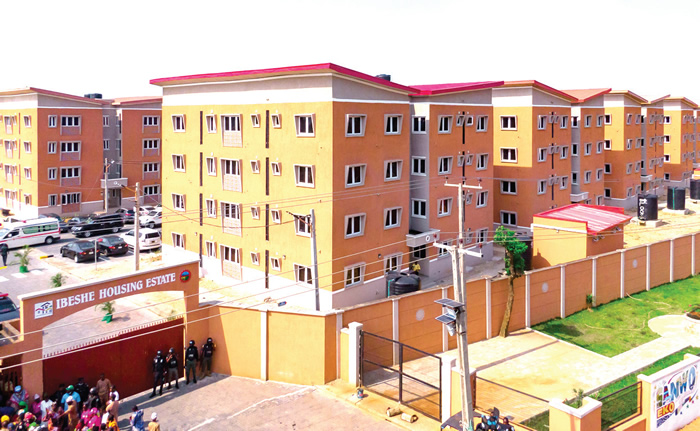
Lagos State’s proposed Tenancy and Recovery of Premises Bill 2025 has introduced major reforms that could reshape how landlords, tenants, and real estate agents operate in the state’s rental market.
The Bill, currently before the Lagos State House of Assembly, aims to modernise rental regulation, curb exploitative practices, and reduce long-standing disputes in Africa’s most active property market.
Lagos’ growing population and rapid urbanisation have intensified pressure on its rental system, exposing gaps in existing laws—especially in areas such as advance rent, unregulated agency fees, and prolonged eviction battles.
Key Highlights of the Lagos Tenancy Bill 2025
1. Agency Fees Capped at 5% and Mandatory LASRERA Registration
The Bill proposes stricter oversight of estate agents, mandating that all practitioners register with the Lagos State Real Estate Regulatory Authority (LASRERA).
Agency fees are capped at 5% of annual rent.
Agents must remit funds collected on behalf of landlords within seven working days.
Agents must issue proper receipts for all transactions.
Violations attract penalties of up to ₦1 million, two years imprisonment, or both—measures targeted at eliminating double-renting scams, inflated commissions, and fraud involving unregistered agents.
2. Advance Rent Limited to One Year
To address rising complaints about excessive upfront payments:
New tenants cannot be charged more than one year’s rent in advance.
Sitting tenants paying monthly cannot be compelled to pay more than three months in advance.
Offering or accepting payments above these limits becomes an offence punishable by a ₦1 million fine or three months imprisonment.
For many renters, this is one of the most transformative proposals, potentially reducing financial pressure that has forced families into debt or homelessness.
3. Tenants Can Challenge Unfair Rent Increases
While the Bill does not fix rent prices, it grants tenants the right to challenge unreasonable rent hikes in court.
Courts may consider special circumstances such as property upgrades or market conditions before determining if a rent increase is justified.
Landlords are barred from evicting tenants while such disputes are ongoing—a critical protection in a city where sudden increases of 50–200% are common.
4. Faster and More Transparent Eviction Processes
The Bill introduces structured eviction procedures aimed at reducing prolonged disputes and improving trust between landlords and tenants.
Why the Bill Matters
With Lagos hosting one of Africa’s priciest and most chaotic rental markets, stakeholders say these reforms could reduce exploitation, strengthen regulation, and provide long-awaited legal protection for millions of tenants.
However, analysts warn that enforcement remains key, especially given high demand for housing and limited supply.
