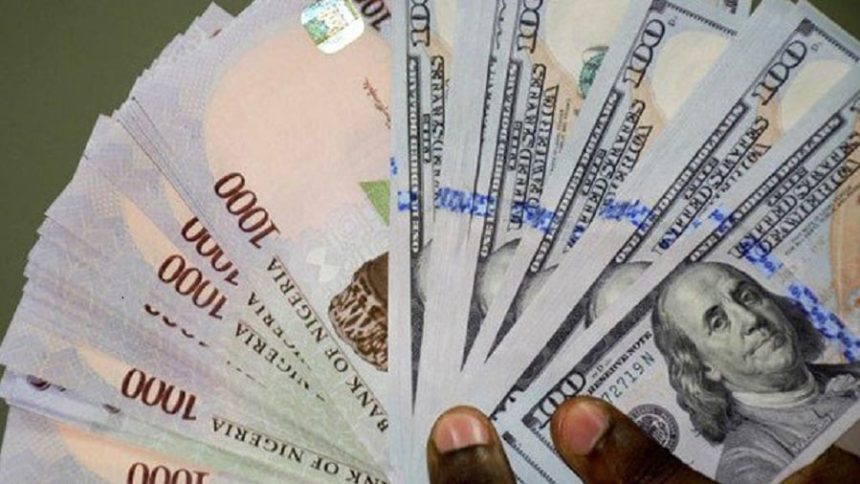
As trading resumed across foreign exchange markets on Wednesday, January 7, 2026, the Nigerian naira maintained a relatively stable but cautious stance against the United States dollar, reflecting a subdued start to the year after the festive break.
Official Market Movements
In the official Nigerian Foreign Exchange Market (NFEM), the naira opened at approximately ₦1,432 per dollar, showing a slight adjustment from early week levels near ₦1,428. Analysts attribute this modest shift to increased corporate demand for foreign exchange as businesses restart operations for the new year.
While the movement suggests gradual demand pressure, currency traders described the overall environment as calm, with liquidity conditions appearing steadier than in previous quarters.
Parallel Market Trends
In the informal, or parallel, market — a key barometer of actual demand and supply conditions — exchange rates remained slightly higher. Traders in major commercial hubs such as Lagos and Abuja reported buying rates ranging between ₦1,485 and ₦1,500 per dollar.
Although the spread between official and parallel rates persists, recent weeks have seen some narrowing, a trend observers link to targeted liquidity support from the Central Bank of Nigeria (CBN) and cautious investor sentiment.
Market Outlook and Central Bank Signals
Market participants are closely monitoring the Central Bank of Nigeria’s policy direction for the first quarter of 2026. Many expect the apex bank to continue its interventions to ensure dollar supply remains sufficient to meet anticipated retail and corporate needs.
As of midday trading, official rates in the NFEM were expected to settle within the ₦1,430 to ₦1,435 range, barring any late-session volatility.
Investors and foreign exchange market watchers are also tracking potential shifts in monetary policy, which could influence naira dynamics in the weeks ahead.