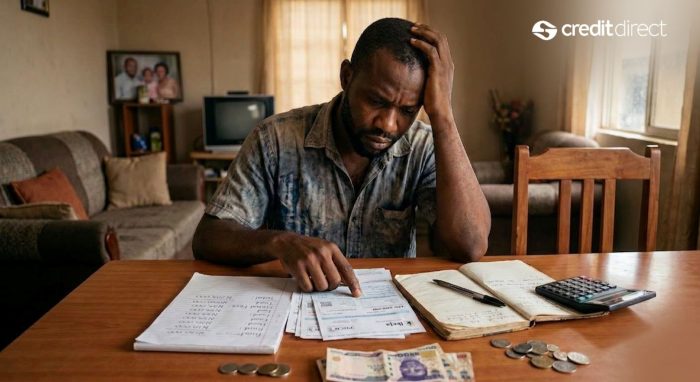
Nigerian households are increasingly postponing plans to buy homes and vehicles as persistent cost-of-living pressures continue to squeeze disposable incomes, according to a new report by Credit Direct. The report highlights growing financial strain on consumers as inflation and rising living expenses reshape spending priorities across the country.
According to the findings, many households are focusing more on essential expenses such as food, transportation, healthcare, and education, while major purchases like residential properties and automobiles are being deferred. The trend reflects the broader impact of economic challenges on consumer confidence and long-term financial planning.
The report noted that rising inflation, elevated borrowing costs, and declining purchasing power have significantly reduced the ability of many Nigerians to commit to large capital expenditures. As a result, households are adopting more cautious spending habits and prioritising immediate needs over long-term investments.
Analysts say the slowdown in demand for homes and vehicles could have implications for sectors such as real estate, construction, automotive sales, and consumer lending. They noted that weaker household purchasing power often leads to reduced investments in high-value assets and slower growth across related industries.
The findings also underscore the challenges facing developers and businesses that rely heavily on consumer spending. Industry stakeholders believe improving economic stability, easing inflationary pressures, and expanding access to affordable financing will be critical to restoring consumer confidence and stimulating demand for homes and other major assets.
The report comes at a time when policymakers and businesses are exploring strategies to cushion the effects of rising living costs and strengthen household financial resilience amid Nigeria’s evolving economic landscape.