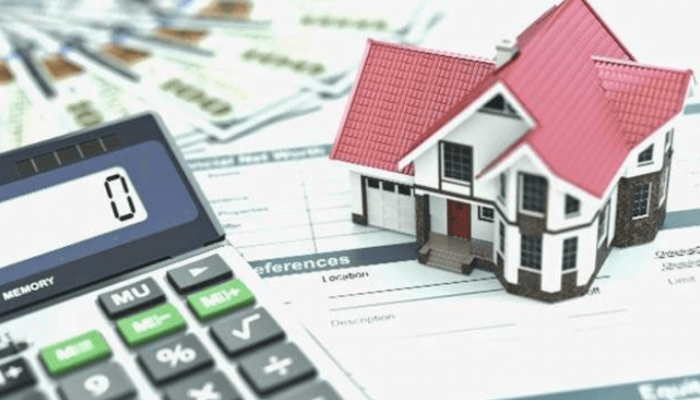
Nigeria’s housing affordability challenge is worsening as rising rents across major cities force many workers to spend a large share of their income on accommodation.
Recent reports show that tenants in cities such as Lagos, Abuja and Port Harcourt now spend more than 60 percent of their earnings on rent, significantly higher than the 30 percent affordability benchmark recommended by the United Nations.
The rent-to-income ratio is a key measure used to determine housing affordability. It calculates the percentage of a person’s monthly income spent on rent. Housing experts say the ratio in Nigeria has climbed sharply in recent years due to increasing accommodation costs and economic pressures on households.
Over the past two years, rents in several Nigerian cities have reportedly increased by more than 100 percent, putting additional strain on tenants and making home ownership more difficult for many Nigerians.
Many residents have also reported sudden rent increases by landlords. A Lagos-based professional, Oluwasegun Olamilekan, explained that the annual rent for his two-bedroom apartment outside the city centre recently increased from ₦450,000 to ₦850,000.
He said similar apartments in his neighbourhood are now rented to new tenants for up to ₦1.2 million per year, excluding additional charges such as agency, agreement and caution fees. When these extra costs are added, tenants may end up paying between ₦1.5 million and ₦2 million to secure accommodation.
Industry experts say the housing affordability threshold in Nigeria has been severely strained. Speaking at a real estate forum in Lagos, Olajumoke Akinwunmi, co-founder of Alitheia Capital and chairman of Purple Group, noted that some Nigerians now spend as much as 70 percent of their income on housing.
She said the current situation has made it increasingly difficult for aspiring homeowners to buy property, as rising costs have significantly increased the financial requirements for home ownership.
Experts also attribute the surge in housing costs to rising construction expenses. Although data from the National Bureau of Statistics shows inflation has slowed in recent months, prices of building materials continue to increase.
For instance, the cost of a 50kg bag of cement has risen from about ₦7,500 in late 2025 to between ₦11,500 and ₦15,000 in many parts of the country.
According to Timothy Nubi, professor and founding director of the Centre for Housing and Sustainable Development at the University of Lagos, other building materials such as steel and sand have also experienced significant price increases, further pushing up development costs and rental prices.
Analysts say the housing market is currently under pressure as both tenants and developers struggle with economic uncertainty. While renters face increasing accommodation costs, developers are also dealing with fluctuating building material prices, making it difficult to determine realistic property prices.
Experts warn that without stronger housing policies and increased supply of affordable homes, the housing affordability crisis in Nigeria may continue to worsen.