


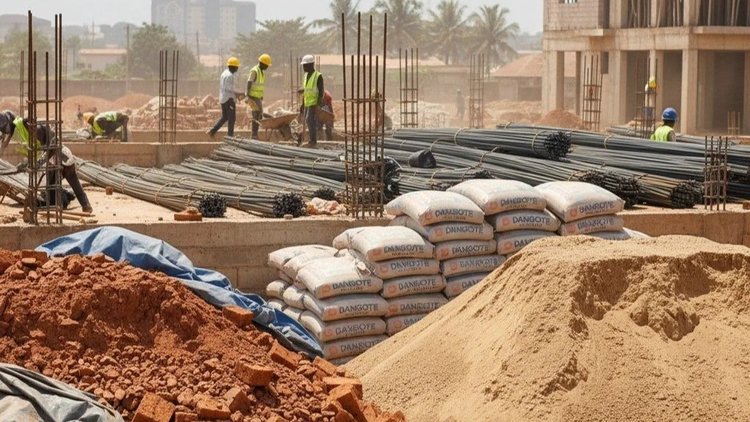
Housing experts in have raised fresh concerns over the rising cost of building materials, warning that increasing construction expenses are making housing less affordable and pushing rents higher across the country.
The (NIESV) has called on federal and state governments to urgently address the issue to prevent further pressure on the nation’s housing market.
Rising Construction Costs Driving Up Rent
Speaking ahead of the association’s annual NIESV Week in , the chairman of the Ondo State branch, , said the soaring prices of cement, steel, and other construction materials are significantly increasing the cost of building homes.
According to him, developers often pass these costs directly to tenants and property buyers, resulting in higher rents and property prices.
Experts note that Nigeria already faces a severe housing deficit estimated at over 22 million units, making it increasingly difficult for many citizens to afford decent accommodation.
Local Production of Materials Key to Reducing Costs
The estate surveyors stressed that promoting local production of construction materials could help stabilise prices and improve housing affordability.
They explained that Nigeria’s reliance on imported materials and expensive conventional construction inputs has contributed to rising development costs.
The association also encouraged the use of traditional building materials such as mud blocks and stone foundations, which can provide durability and natural insulation when properly produced.
According to the group, increased government support for locally manufactured materials in infrastructure projects could strengthen the domestic construction industry and reduce costs.
Government Urged to Treat Housing as a Social Service
Beyond reducing material costs, NIESV urged authorities to prioritise housing as a social service rather than leaving it entirely to market forces.
The association believes stronger government investment in public housing projects would help increase supply and ease pressure on rental prices.
Industry analysts also highlighted the importance of improved access to financing for developers, noting that high interest rates and limited credit options remain major obstacles to large-scale housing development.
Economic Pressures Affecting Nigeria’s Construction Sector
The rising cost of building materials has been linked to broader economic challenges such as inflation, currency volatility, and supply chain disruptions.
These factors have increased the prices of critical construction inputs like cement and reinforcement steel, slowing housing development and making new homes more expensive.
Experts warn that without targeted policy reforms, housing affordability in major cities could continue to deteriorate.
Outlook for Nigeria’s Housing Market
Nigeria’s housing sector remains vital to economic growth, urban development, and job creation. However, experts believe solving the country’s housing deficit will require coordinated policies that reduce construction costs, boost housing supply, and expand access to affordable financing.
Estate surveyors say tackling the high cost of building materials is a crucial step toward making housing more accessible for millions of Nigerians.