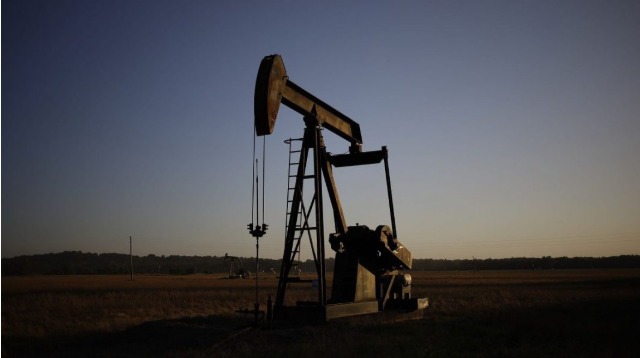
Escalating tensions involving Israel, Iran and the United States have pushed global oil prices close to the $80 per barrel mark, triggering renewed debate over what the rally means for Nigeria’s fragile economy.
Brent crude surged from $73 per barrel on Friday to $79.49 on Sunday, before easing slightly to $78.19 early Monday. By mid-afternoon trading, the global benchmark hovered around $79 per barrel as markets priced in heightened geopolitical risks.
What’s Driving the Oil Price Surge?
The rally followed fresh hostilities between Israel and Iran, including a reported fire incident at Saudi Aramco’s Ras Tanura facility caused by debris from intercepted drones.
The developments raised concerns about the security of energy infrastructure in the Gulf region — a critical oil-exporting corridor — increasing risk premiums in global energy markets.
Nigeria’s Mixed Blessing: Higher Oil, Weaker Naira
While higher crude prices typically improve Nigeria’s fiscal outlook as Africa’s largest oil producer, experts caution that structural constraints may limit immediate gains.
On the parallel market, the naira weakened to N1,375/$1, reflecting continued currency volatility despite monetary tightening measures.
Analysts warn that:
-
Nigeria’s crude output remains around 1.5 million barrels per day, below its estimated 2 million bpd capacity.
-
Under-investment, pipeline vandalism and crude theft continue to constrain production.
-
A significant portion of Nigeria’s crude is tied to long-term supply contracts priced below spot market levels.
These factors could prevent the full benefit of Brent’s rally from reaching government revenues.
SBM Intelligence Warns FG Against “Wait-and-See” Approach
In a new report titled “Epic Fury, Enduring Consequences: The Iran Strikes, Global Shockwaves and Africa’s Strategic Reckoning,” SBM Intelligence urged the Federal Government to adopt a proactive strategy.
The advisory firm warned that expectations of sudden fiscal windfalls may be misplaced, noting that much of the short-term upside could accrue to trading partners rather than directly boosting federation revenues.
SBM also advised Nigeria to strengthen economic intelligence capacity and modernise consular services to mitigate geopolitical spillovers.
Inflation Risk Looms for Households, Businesses
Despite being a crude exporter, Nigeria remains heavily dependent on imported refined petroleum products.
With fuel subsidies removed, domestic petrol prices are now directly exposed to global crude movements. Analysts say:
-
Higher Brent prices could translate into increased transport and logistics costs.
-
Food and consumer prices may rise further.
-
Businesses may face rising operational expenses.
Investment firm Afrinvest noted that while higher oil prices could support government revenue, households and businesses should prepare for broader price pressures in the coming months.
Foreign Policy Balancing Act Under Pressure
The geopolitical crisis may also test Nigeria’s diplomatic posture. Successive administrations have maintained balanced relations with Israel, Gulf states and Iran, avoiding direct entanglement in Middle Eastern rivalries.
However, analysts say prolonged conflict could force Nigeria to reassess its strategic positioning, particularly if disruptions affect global energy flows or remittance corridors.
Outlook: Fiscal Relief or Inflation Shock?
With Brent trading near $80 per barrel and the naira under pressure, Nigeria faces a delicate balancing act.
Stronger oil prices may boost revenue projections, but weak production capacity, FX volatility and import dependence could dilute the benefits.
For households and businesses, the coming months may bring renewed inflationary pressures unless global tensions ease.