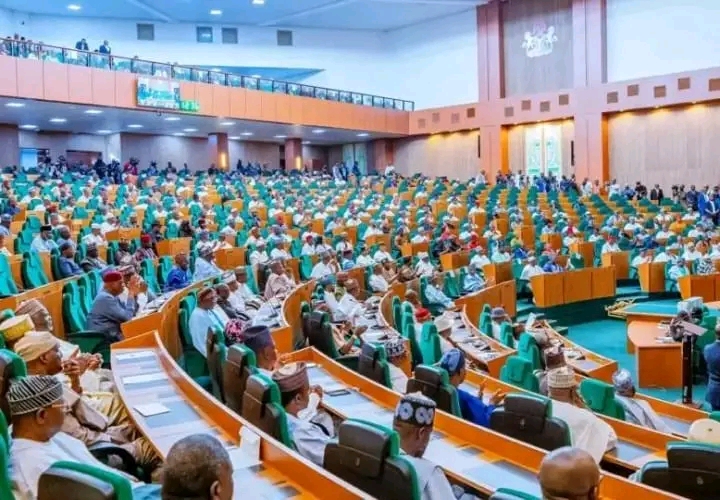
The House of Representatives Minority Caucus Ad-hoc Committee has confirmed that several of Nigeria’s recently passed tax laws were illegally altered before publication, raising concerns about executive interference in legislative affairs.
The committee’s interim report, released Friday, focused particularly on the Nigeria Tax Administration Act, 2025, identifying discrepancies between the versions passed by the National Assembly and those gazetted by the government.
The controversy began after Rep. Abdulsamad Dasuki highlighted the circulation of altered tax laws that differed from those approved by lawmakers. In response, the Minority Caucus, led by Kingsley Chinda, set up a seven-member fact-finding team chaired by Victor Ogene.
According to the report, key sections of the tax laws were modified in ways that expanded executive powers, changed taxpayer thresholds, and introduced additional enforcement measures not passed by the legislature. For instance, the gazetted Act reduced the individual reporting threshold from N50 million to N25 million and introduced mandatory deposits for disputed tax appeals—changes absent in the authentic versions.
The committee also flagged alterations in the Nigerian Revenue Service (Establishment) Act, noting that oversight provisions for the National Assembly were removed in the gazetted version, undermining parliamentary accountability.
The findings prompted the committee to request an extension to conduct a deeper investigation into these irregularities, emphasizing that the anomalies “undermine constitutional powers and the independence of the legislature.”
The Speaker of the House, Tajudeen Abbas, had earlier instructed the public release of all four tax reform Acts for verification:
- Nigeria Tax Act, 2025
- Nigeria Tax Administration Act, 2025
- National Revenue Service (Establishment) Act, 2025
- Joint Revenue Board (Establishment) Act, 2025
The revelations have reignited debates over the checks and balances between Nigeria’s legislative and executive branches, with calls for urgent corrective measures to safeguard the integrity of national lawmaking.