


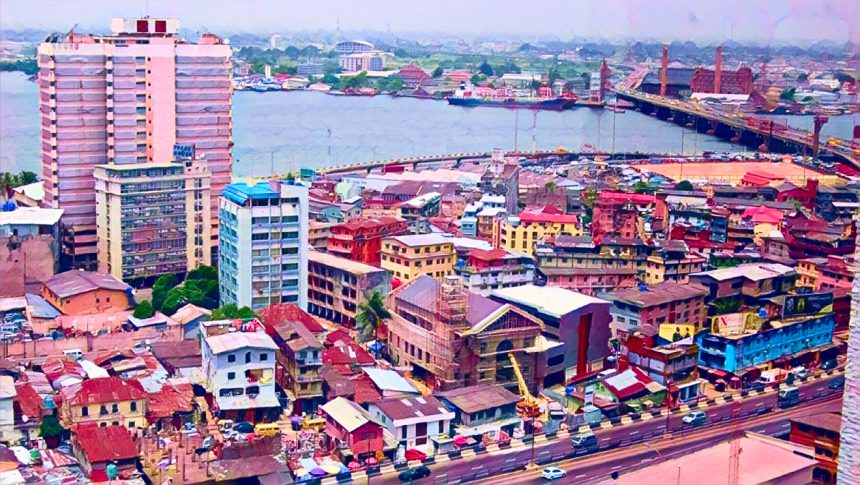
Nigeria’s urban housing sector continued to face mounting pressures in 2025, as rising construction costs, inflation, and high mortgage rates exacerbated an already severe housing deficit.
Major cities such as Lagos, Abuja, Port Harcourt, Enugu, and Abeokuta remain hardest hit, with homeownership increasingly beyond the reach of the average Nigerian household.
Despite efforts to ease inflation, which dipped to 16.05% in October 2025 from 18.02% the previous month, housing affordability remained out of reach for those earning the national median income of around N70,000 per month.
Rising material and labor costs, coupled with elevated interest rates, have driven up property prices and rents, particularly in metropolitan areas where annual rents for two-bedroom apartments can now exceed N2.5 million.
Housing Affordability Crisis Deepens
Industry reports indicate that Nigeria’s real estate market is projected to reach N2.25 trillion by the end of 2025, reflecting sustained investor interest.
However, affordability challenges have made homeownership unattainable for many, leading to an increasing reliance on rental properties. With a housing deficit estimated in the tens of millions, the demand for new units far outpaces the limited supply.
High costs of imported building materials, including cement, steel, and tiles, have further escalated construction expenses, worsened by currency fluctuations. The combination of supply constraints, bureaucratic hurdles in building approvals, and multiple taxes has discouraged development, widening the gap between demand and supply.
Government Housing Initiatives Face Limitations
The Federal Government’s flagship housing programs, such as the Renewed Hope Housing Programme, have struggled to make a significant impact due to high unit costs and accessibility challenges.
The newly introduced Ministry of Finance Incorporated Real Estate Investment Fund (MREIF) offers mortgages at 9.75% interest with repayment plans of up to 20 years. While promising, uptake remains limited.
Experts stress that broader reforms are necessary to make housing accessible. Suggestions include stabilizing lending rates, boosting local production of construction materials, enhancing digitalisation and proptech adoption, and improving transparency and regulatory enforcement across the sector.
Sector Resilience and Future Outlook
Despite these challenges, Nigeria’s housing sector demonstrated resilience in 2025. Analysts project a market valuation of $2.61 trillion by year-end, driven by continued housing demand, infrastructure development, diaspora investments, and government support programs such as Federal Mortgage Bank of Nigeria (FMBN) loans.
Industry leaders emphasize the importance of professional oversight, including engagement with town planners, architects, and engineers, to ensure sustainable, safe, and affordable housing.
Professional involvement in planning and project execution can prevent costly demolitions, promote efficient land use, and address the housing deficit more effectively.
Rising costs, inflation, and regulatory challenges have intensified Nigeria’s urban housing deficit, pushing homeownership further out of reach for many citizens.
While government initiatives and market resilience offer hope, experts argue that a combination of policy reforms, professional oversight, and targeted financing will be crucial to addressing the nation’s ongoing housing crisis.
Without decisive action, rental pressures will continue to rise, deepening inequality across Nigeria’s urban centres.