


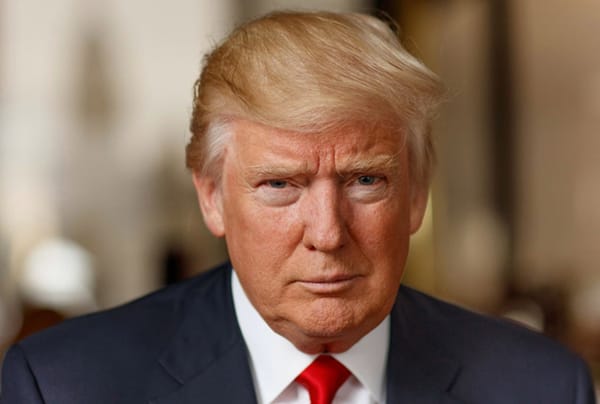
U.S. President Donald Trump has lashed out at the Supreme Court of the United States after it struck down his sweeping global tariffs in a landmark 6–3 decision.
Speaking at the White House shortly after the ruling, Trump accused the justices of lacking courage and suggested some were influenced by foreign interests. He said he was “ashamed” of members of the court who voted against his trade measures.
Court Blocks Use of Emergency Powers
The ruling rejected Trump’s attempt to impose tariffs under the International Emergency Economic Powers Act (IEEPA), stating that the law does not grant the president unlimited authority to reshape global trade without clear congressional approval.
Writing for the majority, Chief Justice John Roberts said the Constitution requires explicit authorisation from Congress before such sweeping economic powers can be exercised.
“The President asserts the extraordinary power to unilaterally impose tariffs of unlimited amount, duration, and scope. He must identify clear congressional authorisation to exercise it,” Roberts wrote.
The majority included Justices Amy Coney Barrett and Neil Gorsuch, both appointed by Trump during his first term.
Trump Responds With New Tariff Plan
In response, Trump announced a fresh 10 percent global tariff and pledged to maintain several existing tariffs under alternative statutory authorities.
He insisted he did not need additional congressional approval to proceed.
“I don’t need to, it’s already been approved,” Trump said when asked if he would seek legislative backing.
The invalidated tariffs had targeted imports from Canada, China, Mexico, and dozens of other trading partners. While sector-specific tariffs on steel and aluminium remain unaffected, the ruling dismantles a central pillar of Trump’s second-term trade policy.
Economic and Legal Impact
The decision is expected to trigger refund claims from companies seeking reimbursement for billions paid under the voided tariffs. U.S. media reports indicate that major firms, including Costco and Toyota-affiliated companies, had already initiated legal preparations ahead of the verdict.
Legal analysts describe the judgment as a significant reaffirmation of congressional authority over trade policy and a clear boundary on executive emergency powers.
Despite a conservative majority on the bench, the ruling signals judicial concern over repeated reliance on emergency declarations to advance broad economic strategies.
