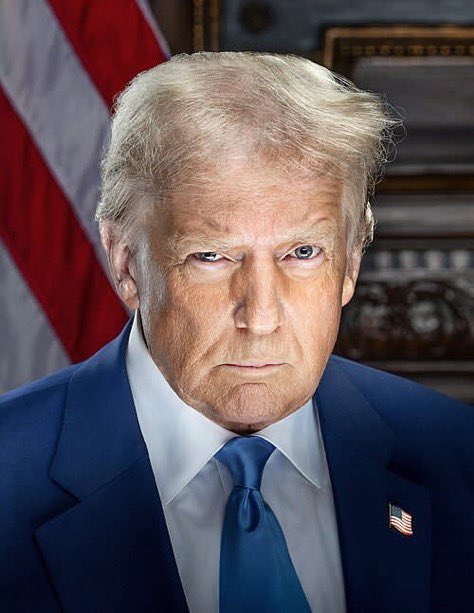
The United States has begun a sweeping withdrawal from dozens of international organisations following a directive issued by President Donald Trump, marking one of the most significant shifts in U.S. multilateral engagement in recent years.
In a presidential memorandum signed on Wednesday, Trump ordered all federal departments and agencies to immediately cease participation in, and funding for, 66 international organisations, including several United Nations agencies and non-UN bodies. The White House said the decision followed an extensive review of U.S. involvement in global institutions.
According to an official fact sheet released by the administration, the affected organisations were identified as entities that no longer align with American national interests, security priorities or economic objectives. The pullout affects 31 UN-linked bodies and 35 other international organisations.
Administration Cites Sovereignty and Cost Concerns
The White House said the decision is aimed at protecting U.S. sovereignty and ensuring that taxpayer funds are not channelled into institutions deemed ineffective or hostile to American policy positions.
Officials argued that many of the organisations promote agendas that conflict with U.S. economic strength, security interests or domestic priorities, while offering limited tangible benefits despite years of financial support.
The administration also accused some of the bodies of advancing global policy frameworks that, in its view, undermine national independence and impose regulatory or ideological standards on member states.
Climate, Human Rights, Health Agencies Affected
Among the organisations impacted are several involved in climate policy, environmental governance and international development. These include bodies linked to global climate coordination, public health initiatives, peacebuilding efforts and human rights advocacy.
The White House said U.S. participation in such institutions has often resulted in policy disagreements, criticism of American domestic decisions and limited accountability for how funds are utilised.
While specific funding figures were not disclosed, officials said billions of dollars have been committed over time with minimal measurable returns, prompting a reassessment of U.S. involvement.
Continuation of Trump’s ‘America First’ Agenda
The latest withdrawals build on earlier decisions taken since Trump’s return to office. Within days of resuming the presidency, he initiated the U.S. exit from the World Health Organization and reaffirmed the country’s withdrawal from the Paris Climate Agreement.
The administration has also challenged international tax coordination efforts, notifying global economic bodies that multilateral tax arrangements would not be enforced within the United States. Reviews were further ordered to assess whether foreign tax policies unfairly disadvantage American companies.
In addition, Trump has previously approved the U.S. withdrawal from the UN Human Rights Council and ended future funding for the UN agency supporting Palestinian refugees.
Global Reaction and Policy Implications
The decision is expected to generate strong reactions from international partners, particularly as many of the affected organisations play key roles in global coordination on health, climate change, humanitarian assistance and conflict prevention.
Supporters of the move argue that it reinforces national autonomy and allows the U.S. to redirect resources toward domestic priorities such as infrastructure development, border security and military readiness.
Critics, however, warn that reduced engagement could weaken global cooperation, diminish U.S. influence on international norms and create leadership gaps in multilateral institutions.
As the withdrawals take effect, analysts say the move signals a deeper recalibration of U.S. foreign policy, with Washington increasingly favouring bilateral arrangements and domestic-focused strategies over multilateral frameworks.