A professor at the has revealed that nearly 40 percent of university lecturers in Nigeria now sleep in their offices due to the country’s worsening housing crisis.
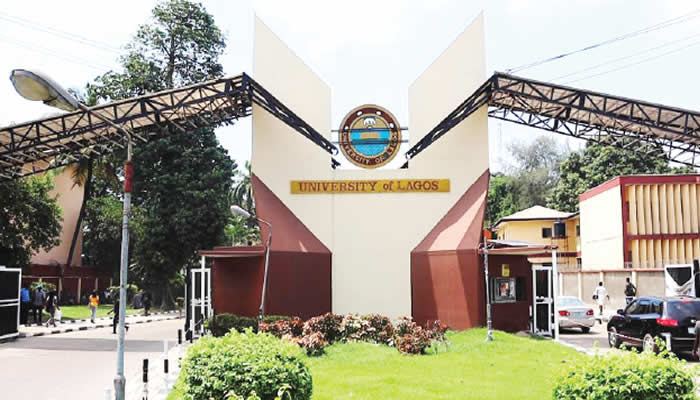
The disclosure was made by , a professor of estate management and housing advocate, during a housing policy event held at the university in .
Rising Rent Pushing Lecturers Out of Housing Market
According to Nubi, the sharp rise in rental costs around major urban centres, especially around the campus in Akoka, has made accommodation unaffordable for many academics.
“I stand here to tell you today that almost 40 percent of lecturers in universities sleep in their offices,” he said.
“They sleep in their offices. You see them taking baths around the faculty every morning. That is the state of the country.”
The professor cited a recent case where a two-bedroom apartment around Akoka was rented for ₦3.5 million per year, a price he said is far beyond what most lecturers can comfortably afford.
According to him, such rent could amount to about seven months of a professor’s salary.
Nigeria’s Housing Deficit Continues to Grow
Nubi said the situation facing lecturers reflects a broader national housing crisis affecting millions of Nigerians.
He explained that Nigeria’s housing deficit has expanded significantly over the years, rising from about five million units decades ago to an estimated 17–22 million housing units today.
“Instead of the problem reducing, the problem keeps increasing,” he noted.
Calls for Inclusive Housing Policies
The professor made the remarks during a forum organised by the in partnership with the , the , and other housing advocacy groups.
Participants at the event stressed the need for inclusive housing policies that ensure affordable accommodation for workers and low-income residents.
Nubi cited international examples where developers are required to allocate a percentage of housing units for essential workers such as teachers and drivers in order to create mixed-income communities.
Concerns Over Demolitions and Displacement
Civil society organisations also criticised forced evictions and demolitions in some urban communities, particularly areas like , which they say have worsened housing insecurity for low-income residents.
Housing experts warned that failure to address housing inequality could lead to wider social instability and urged policymakers to work with researchers and civil society groups to develop sustainable solutions.