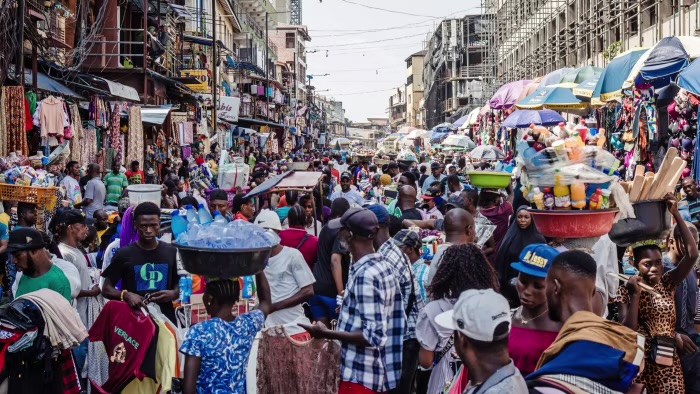
As Nigeria marks its 65th independence anniversary, the debate over the country’s economic direction continues to stir mixed reactions among citizens, economists, and policymakers. While the federal government projects optimism about a rebound, concerns remain over debt sustainability, weak diversification, and governance lapses.
President Bola Ahmed Tinubu recently declared that Nigeria’s economy is on a recovery path, citing gains in foreign reserves and currency stability. But many Nigerians say the country’s progress has been inconsistent, describing its economic journey as one of resilience shadowed by recurring setbacks.
Adu Abiodun, reflecting on decades of debt accumulation, likened Nigeria to “an old man at 65 still struggling to figure out life.” He recalled former President Olusegun Obasanjo’s success in securing debt relief for the nation but lamented that subsequent administrations had returned the country to unsustainable borrowing. “We put politics ahead of governance. That is why mismanagement persists,” he said.
Others, however, remain hopeful. Paul Oyewusi commended recent reforms, arguing that policies under the current administration could pave the way for long-term stability. “We are not where we want to be, but we are moving in the right direction,” he noted, urging Nigerians to embrace a culture of resilience.
For social commentator Charles Apoki, the real challenge lies in leadership. He argued that Nigeria’s citizens are “miles ahead” of their leaders in ambition and creativity, stressing that despite frustrations, the country still fares better than many peers on the continent.
Experts remain divided on the outlook. Professor Adeola Adenikinju, President of the Nigerian Economic Society, acknowledged recent gains such as stabilizing inflation and improved oil output but warned that the economy remains narrow, with manufacturing contributing less than 10 percent to GDP.
Dr. Muda Yusuf, CEO of the Centre for the Promotion of Private Enterprise, described Nigeria’s story as one of resilience mixed with missed opportunities. He urged the government to seize the moment to deepen diversification, strengthen institutions, and channel reforms into improved living standards. “We must accelerate infrastructure, expand non-oil exports, and restore currency stability,” he said, warning that debt and naira depreciation continue to undermine growth.
But accountability remains a sticking point. Dr. Umar Yakubu, Executive Director of the Centre for Fiscal Transparency and Public Integrity, criticized the lack of transparency in post-subsidy revenue spending. “Government revenues have doubled, yet accountability has not kept pace. Funds are being channeled into projects without clear impact on ordinary Nigerians,” he cautioned.
Despite the divided opinions, most agree that Nigeria stands at a pivotal moment. The consensus is clear: for the nation to fully harness its economic potential, political will, institutional reforms, and people-centered governance must take precedence over partisan interests.