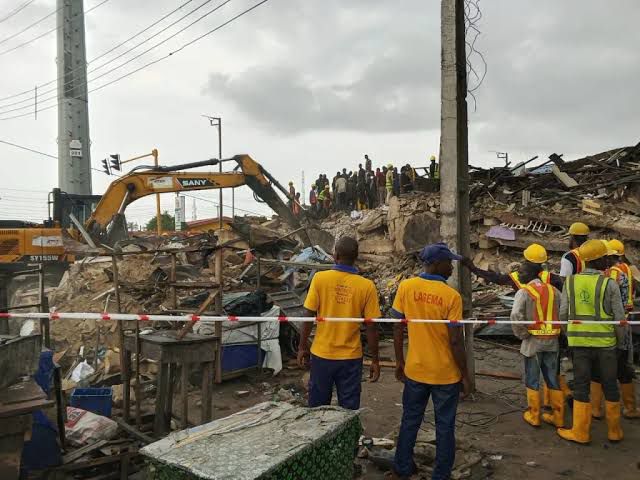
The Lagos State Government has identified weak regulatory compliance, disregard for safety standards, and unauthorized structural modifications as some of the major reasons behind the recurring cases of building collapse across the state. The disclosure comes amid renewed concerns over building safety following recent structural failures that claimed lives and caused extensive damage.
According to the state’s Commissioner for Information and Strategy, many of the incidents could have been avoided if property owners, developers, and occupants had complied with established building regulations and acted promptly on official warnings regarding distressed structures.
The commissioner explained that several collapsed buildings had previously shown signs of structural weakness, including visible defects and deterioration that required immediate attention. In some instances, occupants allegedly ignored evacuation directives and continued using the affected buildings despite warnings from relevant authorities.
He further stressed that illegal alterations to existing structures, poor maintenance practices, and the use of substandard materials continue to increase the risk of structural failures. The government maintained that strict adherence to approved building plans and construction standards remains critical to safeguarding lives and property.
The commissioner noted that the state has intensified monitoring and enforcement activities through relevant agencies, including inspections of buildings considered distressed or structurally deficient. Authorities also reiterated their commitment to demolishing unsafe structures and sanctioning individuals who violate building regulations.
Experts have repeatedly warned that building collapses remain a significant urban challenge in Lagos due to poor enforcement of regulations, inadequate supervision of construction projects, and non-compliance with safety requirements. They argue that stronger oversight and greater accountability across the construction sector are necessary to prevent future tragedies.