


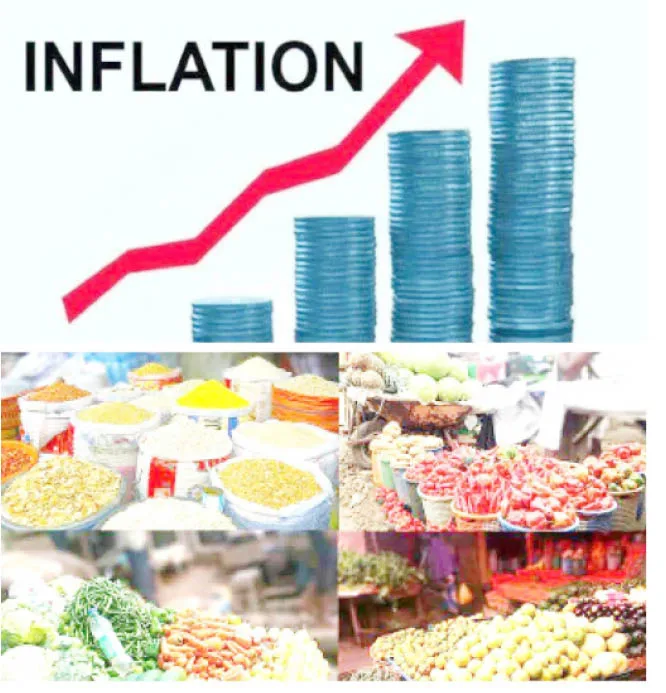
Nigeria’s cost-of-living crisis continues to put pressure on households as many Nigerians struggle to keep up with the rising cost of food, transportation and other basic necessities.
A report by Daily Trust, drawing on accounts from Nigerians and wider economic conditions, highlights the continued difficulty households face as the country moves closer to the 2027 general elections.
For many households, income growth has failed to keep pace with the cost of everyday living. Expenses that once consumed a smaller portion of household earnings now require greater financial sacrifices, forcing families to reconsider spending on everything from food to transportation and housing.
Housing remains part of the pressure
The cost-of-living challenge is closely connected to Nigeria’s housing problem.
As rents rise in major cities, households already dealing with higher food and transportation expenses have less disposable income available for accommodation.
For tenants, the challenge can be particularly severe when rent payments require large upfront commitments. Families may therefore have to move to cheaper neighbourhoods, share accommodation or accept longer commuting distances.
The result is a broader affordability problem in which the cost of living near jobs and essential services continues to rise.
Transport costs add to household expenses
Transportation is another major component of household spending.
When residents move farther away from employment centres in search of cheaper accommodation, they can end up spending more on daily transportation.
This creates a difficult cycle. Lower rent in an outer neighbourhood may be offset by higher transport costs, longer journeys and lost time.
For policymakers, this means housing affordability cannot be considered separately from transportation and urban infrastructure.
Election year puts living standards under scrutiny
With the 2027 elections approaching, economic conditions are likely to remain an important issue for voters.
The pressure on household budgets means that discussions around economic growth will increasingly be judged against people’s everyday experiences.
For many Nigerians, economic performance is ultimately measured by whether their income can cover food, housing, transport, healthcare and education.
The challenge for policymakers is therefore to translate broader economic improvements into tangible improvements in household purchasing power.
Housing policy needs a broader approach
The continuing cost-of-living pressure also reinforces the need for a more integrated approach to housing policy.
Increasing housing supply is important, but homes need to be located where people can access jobs, transport and essential services without facing excessive additional costs.
Affordable housing developments that are poorly connected to employment centres may solve one affordability problem while creating another through higher transportation expenses.
Nigeria’s housing strategy therefore needs to consider rent, construction costs, transport, infrastructure and household income together.
As the country moves toward the 2027 elections, the question will not simply be whether economic indicators are improving. For ordinary households, the more important question is whether those improvements are actually making everyday life more affordable.
