Kenya Moves to Reserve Hawking and Small Retail Trade for Citizens
The Kenyan government has announced plans to begin shutting down small-scale businesses operated by foreign nationals from September 7, 2026.
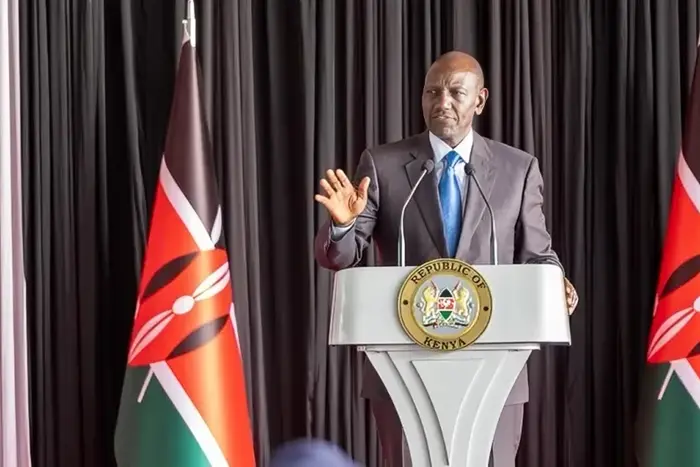
President William Ruto issued the directive while addressing micro, small and medium-sized business operators at State House in Nairobi.
The planned enforcement is expected to focus on foreign nationals engaged in hawking and small retail businesses that the government believes should primarily provide livelihood opportunities for Kenyan citizens.
Ruto said Kenya would continue welcoming foreign investment but argued that foreign investors should concentrate on ventures capable of creating jobs, expanding local production and contributing more significantly to the economy.
The announcement has created uncertainty among foreign traders, including Nigerians operating businesses in Kenya.
However, the directive does not appear to impose a blanket closure on every foreign-owned company. Its immediate focus is small-scale and informal trading, although the government has yet to provide detailed guidance defining the businesses covered or explaining how valid permits will be treated.
Kenya currently issues Class G permits to foreigners intending to operate a specific trade, business, consultancy or profession. Applicants must demonstrate that their ventures will benefit the country and provide evidence of at least $100,000 in investment capital.
Nigerians operating small shops or hawking businesses could be affected if their activities fall within the targeted categories. Legally established businesses may also need clarification from Kenyan authorities on whether existing permits provide protection from the enforcement exercise.
The directive comes as Kenya’s Parliament considers the Local Content Bill 2025. Among its proposals, foreign companies would be required to employ Kenyan citizens as at least 80 per cent of their workforce and source a minimum of 60 per cent of specified goods and services locally.
The implementation of the crackdown will determine whether the policy protects local entrepreneurs without unfairly disrupting legitimate foreign-owned businesses.
Sources: Pulse Nigeria and Anadolu Agency.