


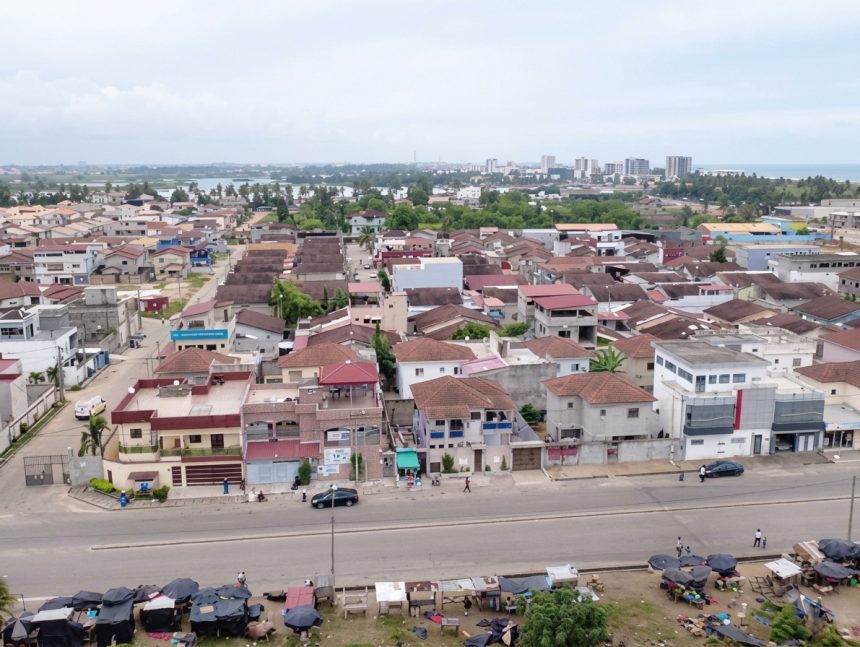
Real Estate Scams on the Rise in Côte d’Ivoire as Homebuyers Lose Millions
Real estate fraud is becoming an increasing concern in Côte d’Ivoire, with families losing millions of CFA francs to fraudulent property transactions amid a housing shortage estimated at more than 800,000 units.
The growing demand for housing, particularly in Abidjan, has created opportunities for organised fraud networks that exploit prospective homeowners through disputed land sales, fake property ownership claims and misleading investment offers.
One of the victims, Kouakou Edmonde, a woman from Abidjan, said she lost her savings after falling victim to a property scam involving more than 30 million CFA francs.
She disclosed that despite making the payment, she had yet to receive the property or recover her money. The experience also affected her health, leaving her with lasting consequences after suffering a stroke.
Fraudsters sell the same land to multiple buyers
One of the methods used in property fraud involves collecting advance payments from multiple buyers for the same piece of land.
A land seller who spoke anonymously to France 24 explained that fraudulent operators often take advantage of lengthy property registration procedures to persuade buyers to make reservation payments.
After receiving money from one buyer, they move on to another prospective purchaser and repeat the process, collecting multiple advances for the same property.
The scams also affect members of the African diaspora, who are sometimes targeted through attractive but fraudulent property advertisements circulated online.
Legal adviser Franck-Olivier Tanoé recommended that prospective buyers seek professional assistance throughout property transactions, including verification of documents and guidance from notaries.
Land ownership documents create additional risks
The growing number of property disputes in Côte d’Ivoire has been linked to rapid urbanisation, population growth and increasing pressure on available land.
Between January and September 2026, the country recorded 4,396 land disputes, highlighting the challenges facing property buyers and landowners.
Understanding land ownership documentation can also be difficult for prospective buyers, particularly where customary land rights, village certificates and formal land titles are involved.
Legal expert Pierre Djémis, founder of PKD Conseil, identified weaknesses in the documentation and regulation of property transactions as factors contributing to fraud.
He explained that some documents used in land transactions do not provide sufficient legal protection for buyers, stressing the importance of formal ownership records.
Djémis maintained that a land title is the definitive document establishing exclusive ownership of a property or parcel of land.
He also called for greater public awareness of property laws and proper legal procedures when purchasing land.
Experts urge buyers to verify properties before payment
The growing cases of property fraud have reinforced the need for buyers to conduct independent checks before committing money to land or housing investments.
Legal experts recommend verifying the authenticity of ownership documents, confirming that sellers have the legal authority to transfer properties and involving qualified notaries in transactions.
The situation also highlights the risks associated with purchasing properties remotely, particularly for diaspora investors who depend on online advertisements and intermediaries to identify investment opportunities.
With housing demand remaining high in Côte d’Ivoire, stronger documentation processes, improved public awareness and effective enforcement of property regulations are important to protecting buyers and restoring confidence in the real estate market.