


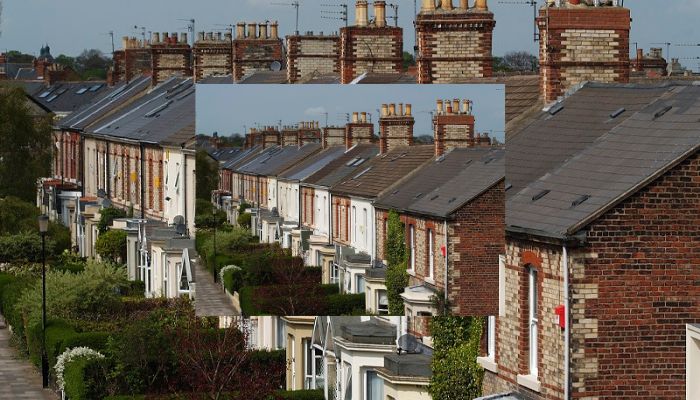
The United Kingdom is experiencing rising rental prices amid declining housing supply, a situation similar to Nigeria’s growing rental market challenges.
According to a report by BusinessDay, the increase in rental costs is being driven by factors including high construction costs, reduced property supply and the declining purchasing power of prospective homebuyers.
In Nigeria, rents have increased by between 50 per cent and 200 per cent in major cities, particularly Lagos, where population growth and rapid urbanisation continue to drive demand for housing.
The UK is also recording significant increases in rental prices. Average advertised rents outside London have reached a record £1,418 per month, according to data from property portal Rightmove.
The figures show that asking rents increased by 1.5 per cent in the last quarter, while annual rental growth moderated to 2.4 per cent from the higher rates recorded in previous years.
Despite the rising prices, the number of available rental properties across the UK has declined by two per cent compared with the previous year. Tenant demand also fell by two per cent over the same period.
London Rental Market Faces Tighter Supply
London is experiencing a more significant housing supply shortage, with average advertised rents reaching £2,825 per month.
Annual rental growth in the capital stands at 3.2 per cent, higher than the rate recorded outside London.
The number of available rental properties in London has declined by nine per cent year-on-year, while newly listed properties fell by seven per cent. In contrast, tenant demand increased by six per cent over the same period.
Although lower-priced areas across Britain are recording the fastest rental growth, London remains the third-fastest region for annual rental increases.
Landlord Investment Remains Relatively Stable
The report also examined changes in landlord activity within the UK property market.
Properties previously available for rent accounted for approximately 13 per cent of homes currently listed for sale, compared with 12 per cent in the previous year. This suggests that landlord exits from the rental market have remained relatively stable.
However, the proportion of rental properties that were previously listed for sale declined from 17 per cent to 15 per cent, indicating a reduction in new landlord investment.
The trend comes amid growing concerns about the availability of rental properties and the increasing importance younger generations place on homeownership.
Colleen Babcock, a property expert at Rightmove, said average rents had reached another record, surpassing £1,400 per month outside London for the first time.
She noted that rental growth had moderated compared with the exceptionally rapid increases recorded in previous years.
Babcock added that limited housing supply continues to put upward pressure on rental prices, although more measured tenant demand has helped create a relatively balanced market.
The outlook for the UK rental market remains mixed, as slower rental growth could provide some relief for tenants. However, record-high asking prices and persistent supply shortages continue to create affordability challenges.
Without a significant increase in available rental properties, pressure on rents is likely to continue despite the moderation in annual growth.