


Abuja Rent Bill Proposes ₦20 Million Fine for Landlords, Property Companies Over Excessive Advance Rent
Landlords, estate agents and property management companies in Abuja could face fines of up to ₦20 million under a proposed rent regulation law aimed at protecting tenants from excessive advance payments and unfair rental practices.
The proposed Federal Capital Territory Advance Rent Regulation and Tenants’ Protection Bill, 2026, seeks to introduce stricter regulations for rental transactions, limit compulsory advance rent payments and strengthen the rights of tenants across the Federal Capital Territory (FCT).
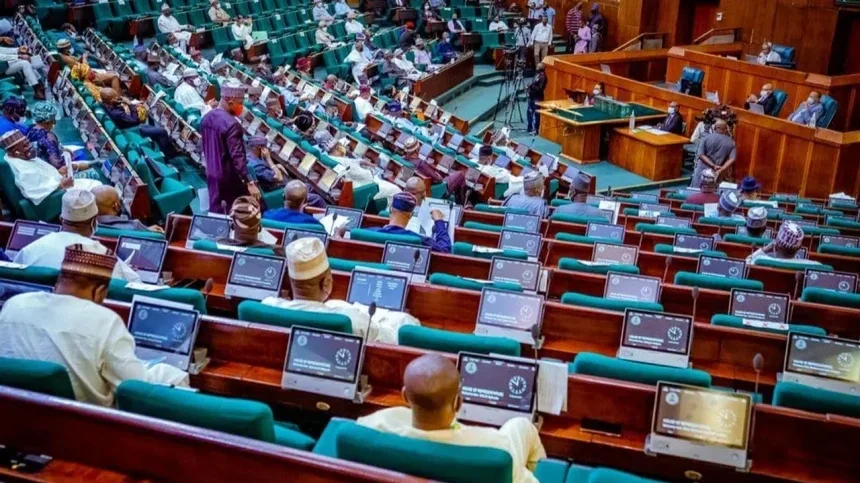
The legislation, identified as HB.2839, passed its second reading in the House of Representatives on November 4, 2026.
Sponsored by lawmakers Paul Nnamchi and Ahmed Doro, the bill is expected to undergo further legislative scrutiny before it can become law.
Abuja Rent Bill Proposes Heavy Penalties for Violations
Under the proposed legislation, individual landlords, estate agents and property managers who knowingly demand or receive advance rent beyond the permitted limit could face fines ranging from ₦500,000 to ₦5 million upon conviction.
Corporate organisations found guilty of similar violations could face penalties ranging from ₦5 million to ₦20 million.
The bill also proposes a fine of up to ₦1 million for failure to comply with a valid notice issued by the proposed regulatory authority.
Courts could additionally order refunds of unlawfully collected rent and compensation for proven losses.
These measures are intended to discourage exploitative rental practices and promote greater accountability in Abuja’s property market.
Landlords May Be Restricted to One Year’s Compulsory Advance Rent
One of the major provisions of the bill is a proposed restriction on compulsory advance rent payments.
If enacted, landlords and property managers would be prohibited from requiring tenants to pay more than 12 months’ rent upfront as a condition for securing or renewing accommodation.
However, the legislation would not completely prohibit advance payments.
Landlords could still demand one year’s rent, while tenants would be permitted to voluntarily pay more than 12 months in advance under documented arrangements free from coercion.
The proposed restriction is expected to address situations where prospective tenants are required to pay two or more years’ rent before gaining access to residential accommodation.
Nevertheless, the bill does not make monthly or quarterly rental payments compulsory.
New FCT Rent Regulation Authority Proposed
The legislation also seeks to establish the Federal Capital Territory Rent Regulation and Tenants’ Protection Authority.
The proposed agency would be responsible for monitoring rental transactions, investigating complaints and ensuring compliance with tenancy regulations.
Its responsibilities would include facilitating dispute resolution, issuing compliance notices and overseeing refunds of unlawfully collected advance rent.
The authority would also establish channels through which tenants could report suspected violations.
These measures are designed to improve transparency and provide residents with more accessible mechanisms for resolving rental disputes.
Written Tenancy Agreements to Become Mandatory
Another important provision of the Abuja rent bill is the proposed requirement for written tenancy agreements.
Such agreements would clearly outline rental amounts, payment schedules, tenancy duration, deposits, additional charges and the responsibilities of landlords and tenants.
Property owners and authorised agents would also be expected to disclose compulsory charges and provide receipts or verifiable evidence of payments.
The proposed legislation further seeks to prevent unlawful eviction practices, including changing locks without legal authority, disconnecting essential services and removing tenants’ belongings.
However, landlords would retain the right to recover unpaid rent or regain possession of their properties through lawful procedures.
Will the Proposed Rent Law Reduce Housing Costs in Abuja?
Although the proposed legislation could strengthen tenant protection, it does not directly regulate rental prices.
Landlords would still retain the ability to determine how much they charge for accommodation.
The bill also does not establish a general ceiling on annual rent increases.
Consequently, tenants could continue to face high rental costs even if the legislation becomes law.
Abuja’s housing affordability challenges are also influenced by construction costs, limited access to affordable housing finance, infrastructure deficits and growing demand for residential accommodation.
Addressing these challenges will require additional housing policies alongside rental market regulation.
National Assembly Expected to Continue Legislative Consideration
Following its passage at second reading, the bill is expected to undergo committee consideration, where lawmakers may examine its provisions and receive contributions from relevant stakeholders.
Landlords, tenants, estate surveyors, property managers, developers and civil society organisations could have opportunities to contribute to discussions surrounding the proposed legislation.
The bill would still require further approval by the National Assembly and presidential assent before becoming law.
Until the legislative process is completed and the law takes effect, the proposed penalties cannot be enforced under this bill.
For Abuja residents, the proposal represents a potential step towards improving tenant protection and introducing clearer rules for rental transactions.
However, its long-term effectiveness will depend on enforcement, regulatory transparency and complementary policies that expand access to affordable housing.