


Landlords, property managers and estate management companies in the Federal Capital Territory (FCT) could face fines of up to ₦20 million under a proposed legislation seeking to regulate rental transactions and protect tenants.
The bill, which has passed second reading in the House of Representatives, seeks to prohibit landlords from making advance payment of more than one year’s rent compulsory for tenants securing or renewing accommodation.
Under the proposed penalties, individual offenders could pay between ₦500,000 and ₦5 million, while corporate organisations could face fines ranging from ₦5 million to ₦20 million.
Sponsored by Paul Nnamchi, representing Enugu East/Isi-Uzo Federal Constituency, the legislation also seeks to address excessive agency charges, unlawful evictions and other practices considered exploitative in the FCT property market.
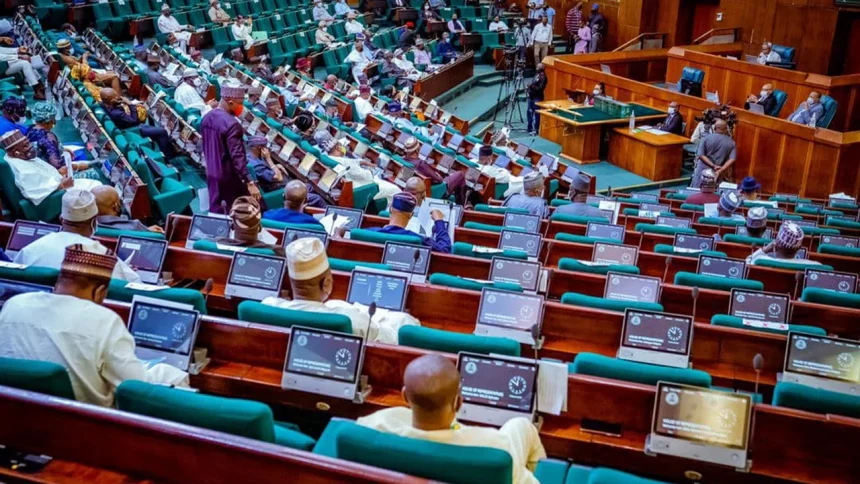
Lawmakers debated the proposal during Wednesday’s plenary, expressing different views on the extent of government intervention in landlord-tenant agreements.
Nnamchi Defends Proposed Rental Reforms
Presenting the bill, Nnamchi argued that the existing rental system had made accommodation increasingly difficult to secure, particularly for residents unable to afford several years’ rent upfront.
He said the proposed framework would establish clearer rules for property transactions, improve accountability among estate agents and protect tenants from unreasonable demands.
Nnamchi maintained that regulating the rental market would not undermine property owners’ rights, discourage investment or prevent landlords from earning reasonable returns.
“Mr Speaker, this legislation is not intended to undermine property rights or discourage investment. Rather, it recognises that legitimate commercial interests must coexist with public protection. Landlords deserve reasonable returns.
“Agents deserve professional recognition. And tenants deserve fairness and protection from exploitation,” he said.
He added that access to decent housing should not depend on an individual’s ability to make unusually large advance payments.
Lawmakers Support Proposed One-Year Rent Limit
The proposal received support from several lawmakers, including Chinedu Ogah, representing Ikwo/Ezza South Federal Constituency of Ebonyi State.
Ogah highlighted the financial pressure facing businesses seeking office accommodation in Abuja.
He said renting a three-bedroom office in Wuse could cost between ₦25 million and ₦30 million annually, excluding additional agency charges.
He argued that regulating rental transactions would make the market more predictable and create a better environment for businesses.
Ayodeji Alao-Akala, representing Ogbomoso North/South/Orire Federal Constituency of Oyo State, also supported the proposal.
He drew attention to the difficulties young people face when landlords demand two years’ rent before handing over accommodation.
According to him, the proposed framework should encourage flexible payment arrangements and remove pressure on tenants to make compulsory multiple-year payments.
Lawmakers Raise Constitutional Concerns
Despite the support, some lawmakers questioned whether restricting rental agreements could interfere with landlords’ constitutional rights and freedom to conduct business.
Ibe Osonwa, representing Arochukwu/Ohafia Federal Constituency of Abia State, warned against imposing a blanket prohibition on multiple-year rental agreements.
He argued that some property transactions could legitimately involve longer payment periods.
Patrick Umoh of Akwa Ibom State also raised constitutional concerns and called for further consultations before the bill progressed.
Other lawmakers, including Joseph Bagudu and Jafaru Gambo, suggested that the legislation should regulate rather than completely prohibit multiple-year rent arrangements.
Gambo also argued that the proposed law should extend beyond the FCT.
Responding to the concerns, Deputy Speaker Benjamin Kalu said the proposal was consistent with the Constitution, citing provisions relating to public welfare and access to adequate housing.
Minority Leader Frederick Agbedi supported the bill, arguing that rising accommodation costs had forced many Abuja residents into overcrowded communities outside the city centre.
House Leader Julius Ihonvbere also endorsed the proposal, particularly its provisions targeting unregistered estate agents and improving access to accommodation.
He said the bill would undergo a public hearing to allow professionals and other stakeholders to examine its provisions.
Key Provisions Of The Proposed FCT Rent Regulation Bill
The proposed legislation, co-sponsored by Ahmed Yusuf Doro, seeks to establish the Federal Capital Territory Rent Regulation and Tenants’ Protection Authority.
The authority would supervise rental transactions, investigate complaints and address disputes involving landlords, estate agents and tenants.
Other major provisions include:
- 12-month advance rent limit: Landlords, property managers and their representatives would be prohibited from making payment exceeding 12 months’ rent compulsory for securing or renewing a tenancy.
- Voluntary longer payments: Tenants could voluntarily pay for longer periods, provided the arrangement was documented and not imposed by landlords.
- Regulation of additional charges: Landlords and agents would be prohibited from introducing compulsory extra charges or separate agreements to evade the advance-rent restriction.
- Dispute resolution: The proposed authority would investigate complaints and facilitate the resolution of tenancy disputes.
- Residential and commercial coverage: The legislation would apply to both residential and commercial properties across the FCT.
- Implementation timeline: The proposed authority would be expected to commence operations within six months if the legislation becomes law.
Proposed ₦20m Penalties For Violations
The bill proposes financial penalties for individuals and corporate organisations that violate its provisions.
Individual offenders could face fines ranging from ₦500,000 to ₦5 million.
Corporate organisations found guilty of violating the proposed regulations could face penalties between ₦5 million and ₦20 million.
However, the proposed penalties and other provisions are not yet enforceable.
The bill must complete the remaining legislative stages before it can receive presidential assent and become law.