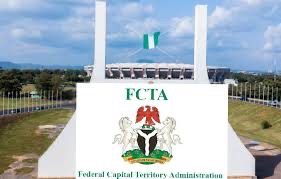
Residents of Abuja are set to stage a protest on Saturday, March 28, 2026, over what they describe as the steady erosion of green areas and public spaces under the administration of Nyesom Wike.
The demonstration, tagged #SaveJabiPark, follows rising concerns over alleged commercial encroachment on Jabi Lake Park, one of the city’s most popular public leisure spaces.
Public outrage grows
The issue gained traction after an Abuja-based user on X raised alarm over reported development activities within the park.
The post quickly went viral, sparking widespread reactions and prompting residents to highlight similar concerns about shrinking green areas across the capital.
Organisers say the protest is being driven by residents, civic advocates, and urban planning activists who believe Abuja’s original master plan is under threat.
Concerns over urban planning
Abuja was designed as a structured capital with designated green zones, ecological buffers, and environmental corridors meant to regulate temperature, manage drainage, and preserve urban balance.
Protesters argue that converting these spaces into residential and commercial developments could undermine environmental stability and limit public access.
Residents in districts such as Wuse and Guzape have previously raised concerns that construction on green corridors is contributing to infrastructure strain, including sewer leaks and pressure on underground utilities.
Policy actions and backlash
The debate intensified following recent actions by the FCT administration. In one instance, Minister Wike revoked approvals for a developer accused of converting a designated green area in Guzape into a residential estate.
While some residents welcomed the move, others say it reflects deeper structural issues around land allocation and enforcement in the capital.
Critics argue that broader policy decisions may increasingly favour land monetisation over environmental protection.
Protesters demand transparency
Organisers say the protest is not against development but rather a call for responsible urban planning and transparency.
One coordinator noted that Jabi Lake Park has served as a vital recreational space for nearly two decades, providing residents with a place for relaxation, social interaction, and wellbeing.
Another organiser expressed concern over reports and images showing excavation activities within the park, warning that continued development could permanently alter its character.
Calls for sustainable development
Some residents have also criticised suggestions that the area could be transformed into a commercial hub, arguing instead for models that prioritise green spaces.
They point to examples like Central Park as a benchmark for preserving accessible urban green areas.
The protest aims to push authorities to recommit to Abuja’s master plan, improve transparency in land allocation, and strengthen oversight to prevent further encroachment on ecological zones.
A broader urban concern
For many residents, the issue goes beyond Jabi Lake Park. They warn that continued loss of green spaces could make Abuja hotter, more congested, and less liveable.
Organisers say the March 28 protest will be peaceful, serving as a symbolic action to draw attention to what they describe as a gradual shift in the city’s development priorities.
While it remains unclear whether the demonstration will lead to policy changes, it signals growing civic engagement among residents determined to protect the environmental and planning legacy of Nigeria’s capital.