


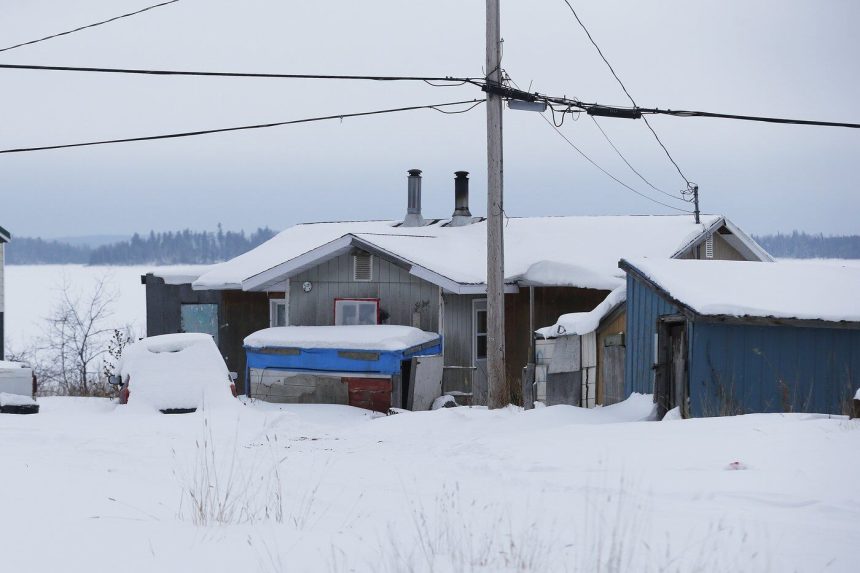
A federal judge in Canada has ruled that the federal government failed its constitutional and legal obligations to provide safe drinking water and adequate housing to several First Nations communities, delivering two landmark decisions on Friday.
Justice Paul Favel ruled that the Canadian government had a clear duty to ensure Shamattawa First Nation in Manitoba — and all other communities participating in its national drinking-water class action — had access to safe water during the claim period beginning June 20, 2020.
In a separate ruling, Favel also determined that residents of St. Theresa Point First Nation in Manitoba, Sandy Lake First Nation in northern Ontario, and others in a related class action were entitled to adequate housing from June 12, 1999 to the present.
Forced Dependence and Federal Control — Judge Favel
In both decisions, Justice Favel said Canada made First Nations “dependent” by relocating them onto reserves and maintaining direct federal control over essential services — including housing and water infrastructure — through legislation, funding policies, and regulations.
He said these failures may have violated Charter rights, including:
-
Equality under the law
-
Life, liberty, and security of the person
Water Crisis: $1.1B Lawsuit Builds on Earlier $8B Settlement
The Shamattawa case builds on an earlier national class action that resulted in an $8-billion settlement in 2021.
Shamattawa First Nation — which endured years under a boil-water advisory — argued that the government has chronically underfunded water systems, leaving communities unsafe.
Representatives from First Nations across Canada testified about long-term water advisories and inadequate federal support.
Shamattawa Chief Jordna Hill said in an affidavit that while federal employees in the community received bottles and jugs of clean water, residents did not.
“It is hard to think of a more apt symbol of Canada’s neglect than seeing the pallets of water at our airport … flown in for its employees, but not for us,” Hill said.
Housing Crisis: Overcrowding, Mold, and Deadly Conditions
The $5-billion housing class action alleged decades of intentional underfunding by the federal government, leaving First Nations unable to meet basic housing needs.
Justice Favel agreed, noting that many communities are short “hundreds of houses,” forcing families to live in unsafe, condemned units.
He highlighted several tragedies linked to poor housing conditions:
-
Two teenage girls died in St. Theresa Point during winter 2023.
-
Three children died in a 2022 house fire in Sandy Lake.
Favel wrote that overcrowding and unsafe housing leave children unable to sleep properly, bathe regularly, or stay healthy due to mold, pests, and cold environments — harming their mental, emotional, and physical development.
Next Steps: Stage Two Will Determine Remedies
These rulings cover only the first stage of the lawsuits — determining whether Canada owed a duty.
The next phase will address:
-
Whether Canada breached that duty
-
Whether Charter rights were violated
-
What remedies should be ordered
-
Potential financial compensation
Justice Favel also awarded costs to the plaintiffs, citing their “overwhelming success.”
First Nations Leaders React
St. Theresa Point Chief Raymond Flett welcomed the ruling but said the fight is not over.
“We didn’t do it just for our Nation. We had to speak up for all the nations in Canada that are experiencing housing crises,” he said.
Community leaders across Manitoba and Ontario say the decision is a major milestone in a decades-long push for basic rights that other Canadians take for granted.