


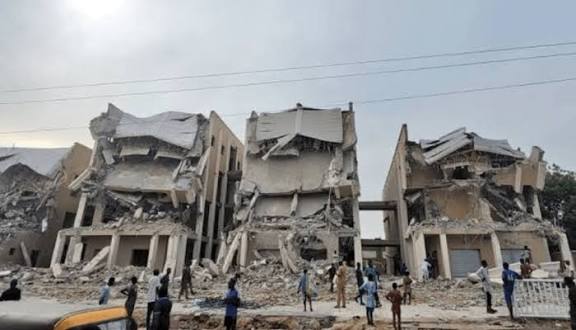
Festac Town, once hailed as one of Africa’s largest and most organized estates when it opened in 1977, is facing a serious environmental threat. Original buffer zones designed to mitigate flooding, absorb wastewater, and provide greenery are now heavily encroached by commercial shops, mosques, mechanic workshops, petrol stations, and markets. Residents and environmentalists are warning that the estate is now at risk of flooding, pollution, and structural damage.
Pa Isibor Ehimen, who lived in Festac as a young artist, recalls the estate’s glory days. “I have never seen such beauty and organized living anywhere else in Nigeria,” he said. But today, the estate’s original charm has faded, with shanties and makeshift structures replacing the carefully planned residential areas.
Buffer zones, initially designed as windbreakers and environmental safeguards, have been drastically compromised. “Before, you could not see neighboring areas from Festac because the trees in the buffer zones offered full coverage,” said Ademola Onitiri, a concerned resident. “Now, those zones are filled with buildings, motor parks, and markets. It’s a disaster waiting to happen.”
Residents report that drainage systems are blocked by construction along the buffer zones, leading to frequent flooding even during minor rains. “We have dug the drainages countless times, yet water still accumulates because these structures disrupt the flow,” said Chimezie Agumbah. The encroachment not only threatens flood control but also undermines the ecosystem, as the green zones help filter air, absorb carbon dioxide, and maintain a balance within the urban environment.
The Federal Housing Authority (FHA), tasked with regulating construction in Festac Town, has taken some action in the past. During the tenure of former MD Gbenga Ashafa, over 500 illegal shops were demolished. However, residents say the current FHA leadership under Oyetunde Oladimeji Ojo, appointed in February 2024, has done little to prevent further encroachments. “Illegal structures continue to sprout despite assurances,” said Yakubu Inuwa, a resident and immigration officer.
Environmentalists warn that the loss of buffer zones increases vulnerability to extreme weather events. “Festac will be submerged by flood if these green zones are gone,” said Abidemi Olayemi, an agronomist. Esther Obeya, an environmentalist based in Abuja, noted that improper waste and rainwater management could accelerate soil erosion, building collapse, and health hazards.
Amuwo-Odofin Local Government, where Festac Town is located, has raised concerns with the FHA about the encroachments, but residents report that responses are slow. Road rehabilitation projects on 2nd and 7th Avenue are expected to improve traffic flow and mobility, yet the effectiveness will depend on clearing buffer zones of illegal constructions.
Residents urge the government to take immediate measures, including continued demolition of unauthorized structures, enforcement of the master plan, and restoration of green spaces. “The buffer zones are essential not only for flood control but also for preserving Festac Town’s status as one of Africa’s largest planned estates,” said Esther Obeya.
Without decisive action, experts warn that Festac Town faces compounded environmental risks, including flooding, pollution, and infrastructure collapse. Residents, urban planners, and environmentalists continue to call on the FHA and Lagos State government to act before the estate suffers irreversible damage.