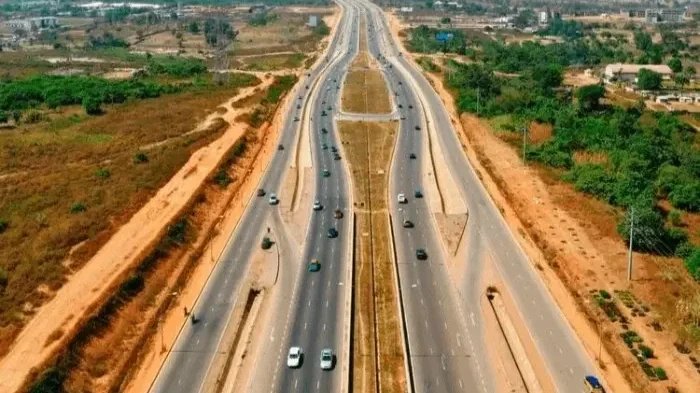
The Federal Government of Nigeria has officially resumed full-scale construction on the Lagos–Calabar Coastal Highway, focusing on the Cross River and Akwa Ibom sections of the 700km landmark infrastructure project. The announcement, confirmed via the official Presidency account on X, underscores the government’s renewed commitment to delivering one of Nigeria’s most ambitious transport corridors.
According to on-site reports, heavy earth-moving machinery—including haulage trucks, graders, rollers, and pavers—has been mobilized across multiple work fronts. Officials noted that visible progress has been achieved along several kilometers of the route in a short period, signaling a surge in construction momentum.
Engineering Standards and Oversight
The project is being executed under the supervision of Senator (Engr.) David Nweze Umahi, CON, Minister of Works, with strict adherence to engineering specifications and international quality standards. The Ministry emphasized that safety, durability, and long-term sustainability are central to the project’s execution.
“The Lagos–Calabar Coastal Highway is not just a road; it is a catalyst for regional integration, industrial growth, and tourism development,” the Ministry stated. “The project will connect nine coastal states, streamline trade routes, and reduce transportation costs for businesses across southern Nigeria.”
Project Scope and Strategic Importance
The highway is a core component of the Renewed Hope Agenda, designed to drive national development and improve Nigeria’s competitiveness in global trade. Once completed, the Lagos–Calabar corridor will provide a world-class transportation link, facilitating the movement of goods and people efficiently while boosting economic activity in previously underserved coastal communities.
The resumption of construction along the Cross River and Akwa Ibom axis comes after the successful temporary opening of Section 1 in Lagos earlier in 2026. The Federal Government has confirmed that the project will integrate modern road design, drainage systems, and safety features, aligning with international best practices.
Economic and Social Impacts
Experts say the highway will transform the economic landscape of Nigeria’s coastal states. Reduced travel time, lower logistics costs, and enhanced accessibility to ports and industrial zones are expected to attract domestic and foreign investment. The corridor is also projected to create thousands of direct and indirect jobs, boosting local economies.
Residents along the route have expressed optimism about the project. “This highway is going to make trade, commuting, and movement of goods much faster. It will also open up more business opportunities for us,” said a trader in Calabar.
Challenges and Government Commitment
While the project promises significant benefits, challenges such as land acquisition, environmental compliance, and local community engagement remain. The Ministry of Works has pledged continuous monitoring and stakeholder engagement to ensure smooth execution.
“The Federal Government is committed to delivering the Lagos–Calabar Coastal Highway on schedule and within budget. We are aware of the socio-economic benefits, and every effort is being made to align the project with the needs of local communities,” the Ministry stated.
The Lagos–Calabar Coastal Highway stands as a strategic infrastructure project that underscores Nigeria’s commitment to regional integration, economic development, and global competitivenes.
With full-scale construction underway, the project is poised to reshape transportation in southern Nigeria, boost industrial growth, and open new economic opportunities across the nation’s coastal corridor.