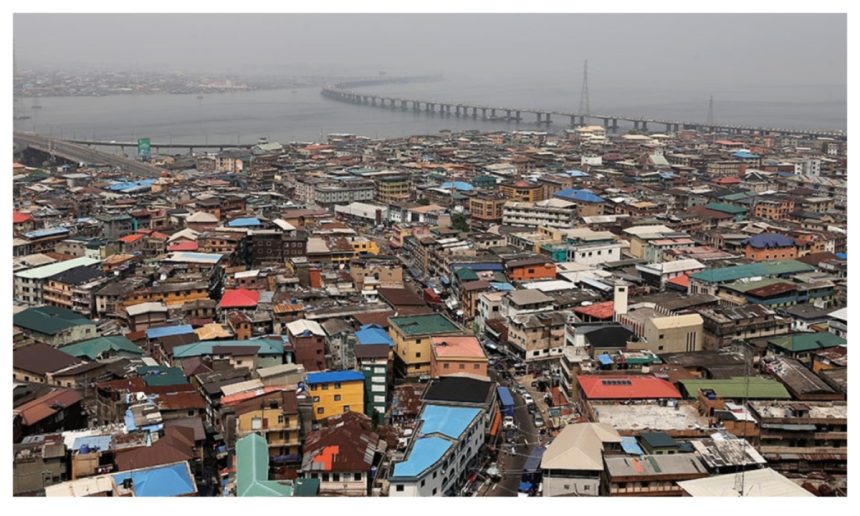
The housing crisis in Lagos has worsened significantly in 2026, with residents paying between ₦900,000 and ₦2.5 million annually for single rooms and self-contained apartments — many lacking basic amenities.
Across major neighborhoods including Ikorodu, Ajah, Yaba, and Mushin, tenants report aggressive rent increases despite deteriorating infrastructure, poor sanitation, and unreliable electricity supply.
For many low- and middle-income earners, securing accommodation in Lagos has become financially and emotionally draining.
Substandard Housing Despite High Rent in Lagos
Tenants say the rising cost of housing does not match the quality provided. Common complaints include:
-
No running water
-
Shared or broken toilets
-
Flood-prone compounds
-
Leaking roofs
-
Poor drainage systems
-
Erratic power supply
-
Overcrowded living spaces
In many cases, residents must buy water daily or walk long distances to access basic facilities.
Despite these conditions, landlords frequently increase rents by 60–80% annually without renovations or upgrades.
Lagos Rent Increase 2026: Tenants Struggle to Cope
Many workers now spend the majority of their income on rent.
A private school teacher earning ₦120,000 monthly reportedly pays ₦750,000 yearly in rent — leaving little for transportation, food, healthcare, or family support.
Small business owners are equally affected. Shop rents in commercial areas such as Yaba and Mushin have reportedly jumped from ₦200,000 to over ₦500,000 without prior notice.
Tenants say they often face two options: pay the new rate or vacate.
Why Is House Rent Increasing in Lagos?
Housing analysts attribute the surge in Lagos rent prices to several factors:
1. Fuel Subsidy Removal
Higher transportation and logistics costs have increased construction and maintenance expenses.
2. Rising Building Material Costs
Prices of cement, iron rods, roofing sheets, sand, and land have surged.
3. Population Growth
Lagos remains Nigeria’s commercial hub, attracting thousands of new residents monthly.
4. Limited Affordable Housing
Slow development of low-cost housing projects has worsened the supply-demand imbalance.
5. Weak Enforcement of Tenancy Laws
Despite warnings from the Lagos State Government against exploitative practices, tenants say landlords continue to demand one- or two-year advance payments.
Relocation to Ogun State Increases
As rent prices soar, many residents are relocating to neighboring Ogun State, where housing costs are significantly lower.
Young professionals, artisans, and families now commute daily from Ogun to Lagos in a bid to survive the city’s high cost of living.
Some residents describe Lagos as increasingly becoming unaffordable for average earners.
Economic and Social Impact of Lagos Housing Crisis
The housing crisis is affecting:
-
Mental health due to rent anxiety
-
Family stability
-
Small business sustainability
-
Healthcare access
-
Food security
Experts warn that without stronger regulation and increased investment in affordable housing, Lagos risks widening inequality and long-term urban instability.
What Next for Lagos Tenants?
While the Lagos State Government has spoken against exploitative rent practices, residents are calling for:
-
Stronger enforcement of tenancy laws
-
Regulation of advance rent payments
-
Expansion of affordable housing schemes
-
Public-private housing partnerships
Until structural reforms are implemented, many Lagos residents say housing will remain a luxury rather than a basic necessity.