


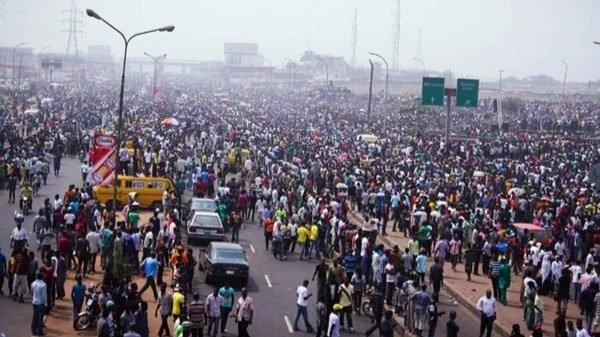
Nigeria’s urban population is projected to reach 264 million by 2050, underscoring the country’s role as a major driver of global urban growth and signalling urgent pressure on infrastructure, housing, and social services.
Data tracking global urbanisation trends show that more than 70 per cent of Nigeria’s total population is expected to live in cities within the next 25 years. This shift places Nigeria among the countries facing the most rapid transition from rural to urban living worldwide.
Rapid Urbanisation and Global Context
Nigeria, alongside India and China, is projected to account for about 35 per cent of global urban population growth between 2018 and 2050. Reports cited by The Guardian indicate that Nigeria alone will add an estimated 189 million people to its urban population over the period.
While the trend reflects economic transformation and expanding labour markets, it also exposes deep weaknesses in urban planning and municipal capacity. Experts note that Nigeria’s urbanisation rate remains among the highest globally, with city growth outpacing the development of essential infrastructure.
Infrastructure and Housing Pressure
The projected rise to 264 million urban residents highlights the scale of Nigeria’s housing challenge. Estimates place the national housing deficit between 17 million and 28 million units, raising concerns about the expansion of informal settlements if supply gaps persist.
Beyond housing, demand for transport systems, electricity, water supply, and sanitation is expected to rise sharply. Major cities such as Lagos, Kano, and Ibadan already face infrastructure strain. The Federal Ministry of Housing and Urban Development has previously estimated that closing Nigeria’s infrastructure gap would require annual investments of about $100 billion.
Economic Implications and Policy Direction
The demographic outlook presents both risks and opportunities. Analysts say the surge in urban population could unlock significant investment potential in real estate, construction, and urban technology, particularly through Public-Private Partnerships and smart city initiatives.
For policymakers, attention is expected to focus on decentralising economic activity and strengthening secondary cities to reduce congestion in major urban centres. Full implementation of the National Urban Development Policy is seen as critical to ensuring that urban growth translates into inclusive economic development rather than increased inequality.
Outlook
The projection of 264 million urban dwellers by 2050 reinforces the need for coordinated action by government and the private sector. How effectively Nigeria responds through planning, policy consistency, and infrastructure investment will determine whether rapid urbanisation becomes an economic advantage or a long-term structural challenge.
