


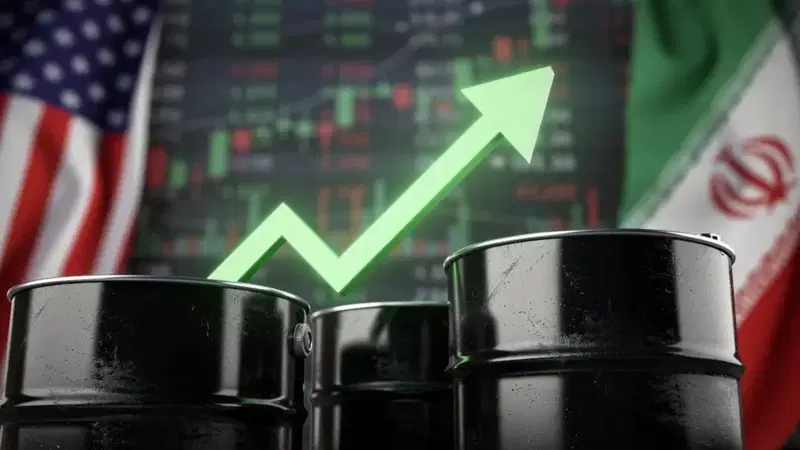
Global oil prices surged to about $108 per barrel after Iran dismissed a United States proposal aimed at ending the ongoing Middle East conflict, describing it as biased and unfair.
The increase—nearly 6 percent in a single day—reflects growing market anxiety over prolonged instability in the region and potential disruptions to global oil supply.
Iranian officials criticised the U.S. 15-point peace plan, arguing that it largely favours American and Israeli interests. Despite rejecting the proposal, Tehran signalled it has not completely ruled out diplomacy but insists that any agreement must align with its strategic demands.
A key sticking point remains Iran’s insistence on maintaining control over the Strait of Hormuz, a critical global shipping route for oil. The country describes this control as a “natural and legal right,” making it central to any potential settlement.
Earlier in the week, oil prices briefly dropped to around $98 per barrel following indications of possible talks between Washington and Tehran. However, renewed tensions and Iran’s rejection of the proposal quickly reversed that trend.
The ripple effects are already being felt in Nigeria, where petrol prices remain elevated. Retail prices in Abuja have climbed significantly compared to pre-conflict levels, highlighting the local impact of global energy volatility.
Analysts warn that continued conflict and uncertainty around key supply routes could keep oil prices high, with broader implications for inflation and global markets.
