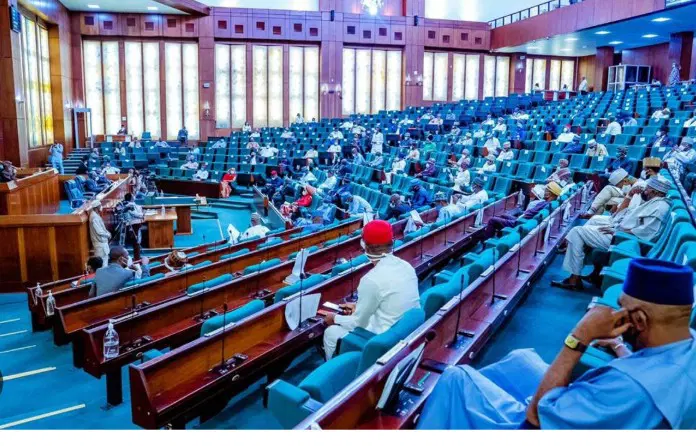
The House of Representatives has intensified scrutiny of the Federal Airports Authority of Nigeria (FAAN), demanding a comprehensive breakdown of its debt profile amid concerns over revenue discrepancies and recovery gaps.
At a session held in Abuja on Tuesday, the House Committee on Finance questioned FAAN’s management over inconsistencies in internally generated revenue (IGR), passenger service charge (PSC) collections, and outstanding payments from airlines.
The committee, chaired by James Faleke, requested detailed records covering debt recovery efforts, reconciliation of airline remittances, and passenger traffic data.
Lawmakers Flag N25bn Revenue Gap
FAAN disclosed that it recovered over N8 billion in outstanding debts in 2023. However, lawmakers pointed to a N25 billion shortfall for the same period, raising concerns about weak recovery mechanisms.
Managing Director Olubunmi Kuku explained that some liabilities stemmed from defunct airlines and spillovers from international carriers. She stressed that such debts cannot simply be written off as lost government revenue.
Committee members questioned why debts persist in an industry where passengers pay charges upfront, arguing that stronger enforcement and reconciliation systems should be in place.
IATA, ICAO and Payment Delays
Kuku clarified that international airline operations are regulated under standards set by the International Civil Aviation Organization (ICAO), with payments processed through the International Air Transport Association (IATA) Billing and Settlement Plan.
She noted that remittances from international carriers may experience a 14 to 30-day processing lag, contributing to timing differences between projected and actual revenue receipts.
Passenger Traffic and PSC Charges
FAAN reported handling 17.5 million passengers in 2025, comprising:
-
4.1 million international passengers
-
13.4 million domestic passengers
Passenger Service Charge rates currently stand at:
-
N2,000 per departing domestic passenger
-
$100 for transatlantic departures
-
$80 for regional international flights
Lawmakers sought clarification on estimated revenue based on 2.2 million departing international passengers in 2025 and demanded assurances that all due remittances are fully accounted for.
Committee Orders Detailed Breakdown
Despite FAAN’s explanations, the committee directed management to submit:
-
A detailed debt profile from 2023–2025
-
Names of debtor airlines
-
Status of debt recovery efforts
-
Revenue breakdown from cargo flights
-
Tollgate and airport-specific revenue data
The lawmakers also hinted at the need to review FAAN’s enabling Act to reflect its operational structure as an airport management entity acting on behalf of the Federal Government.
Oversight to Continue
The House Committee resolved to maintain close oversight of FAAN’s revenue framework, signaling heightened parliamentary monitoring of Nigeria’s aviation sector finances.
The development underscores growing legislative concern over public revenue accountability, especially in strategic sectors such as aviation where passenger-based revenue streams are expected to be predictable and transparent.