


Construction Firms Face Collapse as NIQS Seeks Tinubu’s Intervention Over Unpaid Bills
The Nigerian Institute of Quantity Surveyors (NIQS) has urged President Bola Tinubu to intervene in the growing financial difficulties facing construction companies, warning that persistent delays in government payments could push many firms out of business.
The institute said contractors handling government projects were struggling to pay suppliers, subcontractors and workers because of outstanding payments for completed and certified projects.
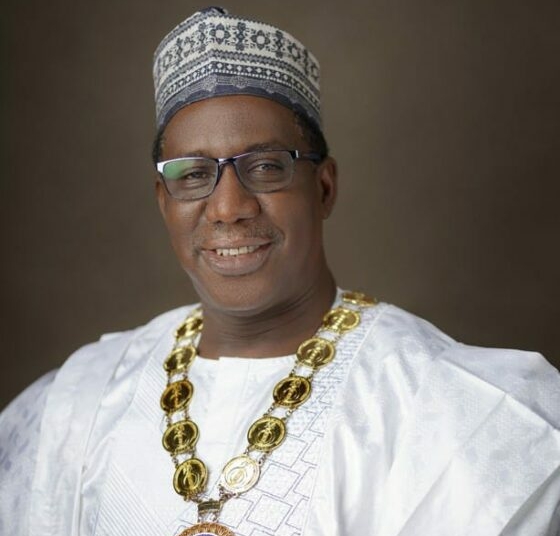
NIQS President, Dr Aminu Muhammad Bashir, raised the concern during a press conference in Abuja ahead of the institute’s 2026 National Conference and Annual General Meeting.
Bashir warned that while building collapses attract public attention, the gradual collapse of construction businesses caused by unpaid government obligations receives less attention, despite its impact on employment, investment and infrastructure development.
He disclosed that some contractors had been encouraged to present their complaints about unpaid certificates and inadequate project funding to the Office of the Accountant-General of the Federation.
He also identified the continued operation of the 2025 budget in November 2026 as one of the factors worsening the financial challenges facing contractors.
According to him, accumulated interest on outstanding payments has significantly reduced the value of some contractors’ claims, making the recovery process increasingly difficult.
The NIQS president called on the Federal Government to ensure timely release of approved capital funds, settle certified payments promptly and prioritise ongoing projects before awarding new contracts.
On housing affordability, Bashir urged the government to consider removing taxes on locally manufactured building materials, particularly cement, to reduce construction costs.
He noted that Nigeria’s housing deficit stood at nearly 15 million units, according to the National Housing Data Technical Committee, identifying expensive building materials, high land costs, inadequate infrastructure and limited access to long-term financing as major challenges.
He stressed that affordable housing should be measured by the ability of intended occupants to purchase or rent completed properties, rather than simply the cost of constructing them.
The institute also announced plans to engage the Securities and Exchange Commission (SEC) on proposals to make independent cost certification and verification of project progress by registered quantity surveyors mandatory for housing developments financed through capital-market instruments.
The institute’s 2026 National Conference and Annual General Meeting held from November 16 to 20 in Ilorin, Kwara State, with the theme, “Financing Sustainable Mass Housing: Synergising Cost Management and Capital Markets for Affordable Shelter in Nigeria.”
NIQS also planned to introduce its Cost Data Bank to provide reliable construction cost information for professionals, investors, developers and government institutions.