


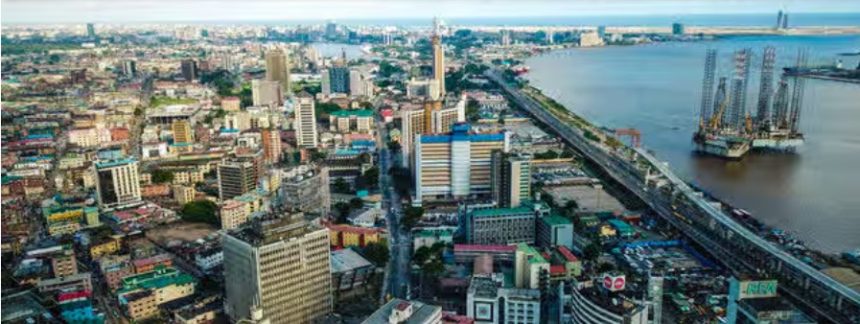
Nigeria’s real estate market is entering 2026 at a defining moment, shaped by rapid population growth, sustained urban migration and a slowly stabilising macroeconomic environment.
With the country’s population projected to approach 260 million, pressure on housing supply continues to intensify, especially in major urban centres such as Lagos, Abuja, Port Harcourt and Ibadan.
Despite the sector’s growing contribution to national economic output, structural challenges remain deeply rooted. Nigeria’s housing deficit, estimated at between 22 and 28 million units, shows little sign of narrowing.
Limited access to mortgage financing, high interest rates and rising construction costs—largely driven by inflation and currency pressures—continue to constrain supply, keeping home prices and rents elevated.
Across the country, demand continues to outstrip new housing delivery. While developers are increasingly active in peri-urban and suburban areas where land is more affordable, infrastructure gaps still limit large-scale expansion.
This has sustained upward pressure on prices, particularly in emerging districts linked to new road, rail and industrial projects.
In terms of pricing, residential property values are expected to record moderate but steady growth in 2026. Analysts project price increases ranging from five to 15 per cent in key cities, with mature high-end neighbourhoods posting slower appreciation compared to fast-growing corridors benefiting from infrastructure development. The shift reflects a market moving away from speculative surges toward demand driven by end-users and long-term investors.
The rental market remains one of the most pressured segments of the sector. Over the past few years, rents in major cities have risen sharply, in many cases far outpacing inflation. Although such steep increases may moderate in 2026, rents are expected to remain high due to persistent housing shortages. This trend continues to raise affordability concerns for middle- and lower-income households.
Investment attention is increasingly turning toward mid-market and affordable housing, where demand remains strongest. While some luxury developments face slower absorption, developers focused on cost-efficient housing, rental apartments, co-living spaces and student accommodation are seeing more resilient demand. Short-let apartments also remain attractive in select urban locations, particularly in Lagos, though their impact on overall housing supply is limited.
Infrastructure development is expected to remain a major driver of real estate performance in 2026. Road expansions, rail projects and new economic zones are expanding city boundaries and reshaping residential demand patterns. Areas along major transport corridors continue to attract investors seeking early entry ahead of rising land values.
Policy and regulatory developments will also play a critical role. Government efforts to improve housing finance, including public-sector funding initiatives and incentives, have shown limited but growing impact. However, persistent bottlenecks in land titling, planning approvals and mortgage accessibility remain major obstacles. Without deeper reforms, housing delivery at scale is likely to remain slow.
In Lagos, Nigeria’s most constrained property market, demand is expected to remain strong despite affordability pressures. Prime locations such as Ikoyi and Victoria Island are likely to record modest growth, while emerging areas along the Lekki–Epe corridor and parts of the mainland benefit from infrastructure expansion. Abuja, by contrast, is expected to maintain more stable growth, supported by its structured layout and steady demand from government institutions and professionals.
Overall, Nigeria’s real estate outlook for 2026 is one of cautious optimism. Strong demographics, ongoing urbanisation and infrastructure investment continue to support long-term demand. However, affordability challenges, financing constraints and regulatory hurdles will remain key risks. Stakeholders who align investments with infrastructure, affordability and genuine housing needs are likely to be best positioned to navigate the year ahead.
