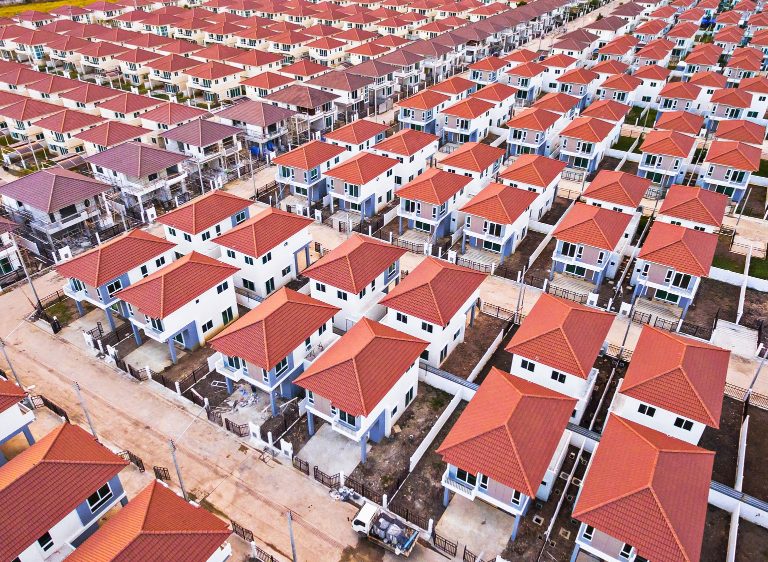
Homeownership remains out of reach for many young Nigerians and informal workers due to high housing costs and limited access to traditional mortgages. Industry experts say flexible mortgage models can change this reality and boost access to affordable housing.
Adedeji Ajadi, CEO of the Mortgage Banking Association of Nigeria (MBAN), explained that most mortgage products are designed for formal workers with steady income, leaving out almost 85% of Nigerians who earn in the informal economy.
“To address income volatility, especially among young people and informal earners, flexible mortgage structures are essential,” he noted.
Flexible Mortgage Options
Ajadi highlighted solutions that can help youth and informal earners own homes, including:
- Step-up mortgages – lower payments at the beginning, rising as income grows
- Income-linked repayment plans – repayments tied to verified income levels
- Rent-to-own schemes – tenants become homeowners while building equity
- Shared-equity financing – institutional co-funding to lower buyer costs
Alternative Credit System
He also called for alternative credit scoring, using records such as mobile money, utility payments and transaction history to evaluate informal earners.
Micro-Mortgages & Cooperative Lending
To support gradual homebuilding, Ajadi recommended micro-mortgages and group lending models, allowing cooperatives and trade groups to jointly guarantee loans.
Ajadi emphasised that these models will improve housing affordability, reduce mortgage default risks and widen access to homeownership for young Nigerians and informal workers.
“These solutions reflect Nigeria’s income realities and create inclusive pathways to homeownership,” he said.