


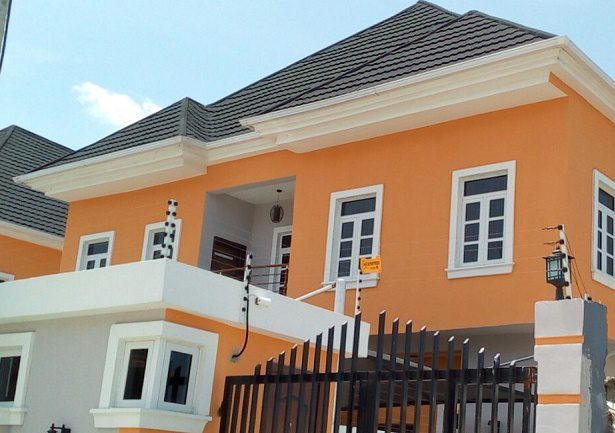
House rent and agent palaver have become a national scandal as rising rents, increasing construction costs, and alleged exploitation by agents continue to put immense pressure on millions of Nigerian tenants. A public affairs analyst, Moshood Oshunfurewa, warned that the country’s housing challenges now require urgent policy attention and stronger regulatory intervention.
According to the analyst, the cost of building materials such as cement, sand, roofing sheets, and timber has risen sharply over the past few years, making home construction increasingly difficult for average Nigerians. The surge in construction costs has also contributed to significant increases in rental prices across Lagos and other urban centres.
He noted that rental prices in several parts of Lagos have increased substantially over the last five years, widening the gap between household incomes and the cost of securing decent accommodation. The situation has become particularly difficult for low-income earners and workers in the informal sector whose incomes have not kept pace with inflation and rising living expenses.
The analyst further alleged that some property agents and landlords have turned the housing market into an exploitative system by charging excessive fees and imposing additional costs on prospective tenants. He argued that weak enforcement of tenancy regulations has allowed such practices to persist, making access to affordable housing increasingly challenging for many residents.
He called for reforms that would strengthen tenant protections, improve oversight of property transactions, and ensure proper registration of landlords and agents. The recommendations include stricter implementation of tenancy laws and measures to promote transparency within the rental market.
The housing expert also advocated increased government involvement in affordable housing development, stressing that expanding access to low-cost homes and making building materials more affordable would help reduce pressure on tenants and improve housing availability.
Industry observers say Nigeria’s housing deficit, coupled with inflation and rapid urbanisation, continues to intensify demand for affordable accommodation. They maintain that effective regulation and increased investment in housing infrastructure will be essential to addressing the country’s long-standing housing challenges.