


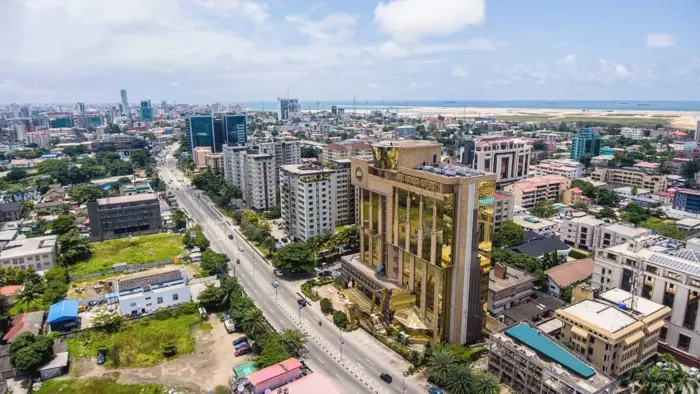
Property valuation professionals have warned that persistent insecurity, inflation, exchange rate volatility, and other economic shocks are making it increasingly difficult to determine accurate property values across Nigeria. They say the growing uncertainty is affecting investment decisions, mortgage financing, insurance assessments, and overall confidence in the real estate market.
According to experts, property valuation depends heavily on stable market conditions and reliable transaction data. However, security challenges in several parts of the country, coupled with rising construction costs and fluctuating economic indicators, have significantly altered market behaviour, making traditional valuation methods more difficult to apply.
Estate surveyors and valuers explained that insecurity has forced many investors and residents to relocate from affected communities, reducing demand in some areas while increasing pressure on safer urban centres. These migration patterns have created uneven property price movements, making it harder to establish fair market values for residential, commercial, and industrial properties.
The professionals also pointed to inflation and the depreciation of the naira as major factors driving up the cost of land acquisition, building materials, labour, and infrastructure development. As construction costs continue to rise, replacement values for existing buildings have increased, requiring valuers to regularly adjust their assessments to reflect prevailing market realities.
Industry stakeholders noted that banks, insurance companies, developers, and investors rely on accurate property valuations when making lending, investment, taxation, and compensation decisions. They warned that inaccurate valuations could expose financial institutions and investors to unnecessary risks while affecting the credibility of Nigeria’s real estate market.
To address these challenges, valuation experts called for improved access to reliable market data, stronger collaboration among industry professionals, and wider adoption of technology-driven valuation systems. They argued that better data collection and standardised valuation practices would improve transparency and help the industry respond more effectively to changing economic conditions.
The stakeholders further urged government authorities to strengthen security, stabilise the macroeconomic environment, and support policies that encourage investment in the housing and real estate sectors. They maintained that restoring investor confidence is essential to improving market stability and ensuring more accurate property valuations.
Experts believe that while economic uncertainty may continue to influence the property market in the short term, stronger institutions, better market information, and sustained economic reforms will enhance valuation accuracy and support long-term growth in Nigeria’s housing and real estate sector.
