


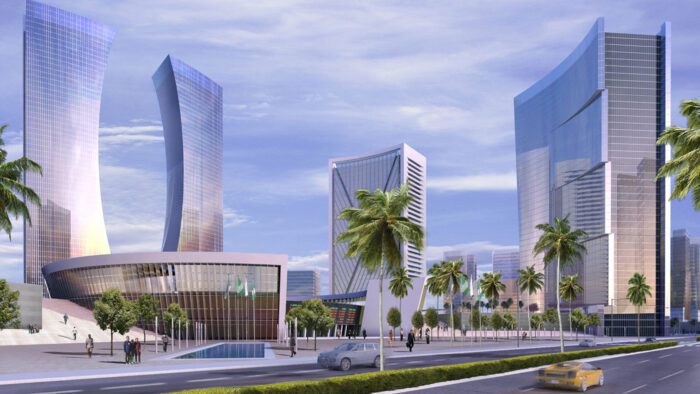
The growing adoption of smart home technology is reshaping residential living in Nigeria’s major cities, as homeowners and property developers increasingly embrace connected devices to improve security, energy efficiency, convenience, and overall quality of life. Industry experts say the trend is gradually transforming the country’s urban housing market, particularly in premium residential developments.
Smart homes integrate internet-connected devices such as automated lighting systems, smart locks, surveillance cameras, motion sensors, climate control systems, and voice-activated assistants. These technologies allow homeowners to remotely monitor and manage different aspects of their homes through smartphones or other connected devices, offering greater control over security and energy consumption.
In cities such as Lagos, Abuja, and Port Harcourt, developers are beginning to incorporate smart technologies into new residential projects to meet changing consumer preferences. Modern buyers are increasingly seeking homes equipped with digital security systems, energy-efficient appliances, automated access controls, and integrated home management solutions that enhance convenience and long-term property value.
Property professionals note that rising concerns over security, increasing electricity costs, and the demand for modern lifestyles are among the key factors driving smart home adoption. Features such as remote surveillance, automated lighting schedules, smart energy management, and intelligent access control systems help homeowners reduce operating costs while improving safety and comfort.
The growing interest in smart homes is also creating opportunities for technology companies, internet service providers, and building solution firms that specialise in home automation, digital infrastructure, and integrated security systems. As demand increases, developers are expected to collaborate more closely with technology providers to deliver digitally enabled residential communities.
Despite the growing interest, industry stakeholders acknowledge that widespread adoption still faces several challenges. High installation costs, inconsistent electricity supply, limited broadband coverage in some areas, and concerns about cybersecurity continue to slow the expansion of smart home technology beyond the luxury housing segment. They argue that greater investment in digital infrastructure and more affordable smart technologies will be essential to encouraging broader market adoption.
Experts also believe that smart homes will become increasingly important as Nigeria’s cities continue to expand. Integrating digital technologies into residential developments can improve energy efficiency, support sustainable urban planning, and enhance the overall living experience for residents. They add that combining smart home innovations with affordable housing initiatives could play a significant role in shaping the future of Nigeria’s real estate sector.
