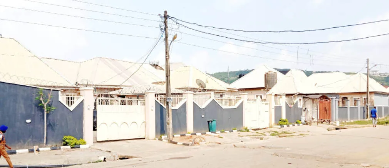
Residents blame inflation, rising construction costs and property agents as accommodation expenses increasingly strain household incomes.
Tenants across the Federal Capital Territory have raised concerns over rising accommodation costs, with inflation, construction expenses and additional charges increasing the burden on households.
Residents who spoke to Abuja Metro said rents had risen sharply in recent years, while agency and agreement fees, caution deposits, electricity, water and transportation costs had further increased the cost of securing accommodation.
A Gwarinpa resident, Matthew Mike, said he paid ₦2.3 million as a total package for a studio apartment.
He described the amount as almost four times what he would have paid for similar accommodation two or three years ago.
“The biggest issues are the greedy agents,” he said.
Mike said additional charges had made accommodation even more expensive, while household incomes had failed to keep pace with rising costs.
Another resident, Philip Ngbewe, said he paid about ₦2 million for rent alone, excluding other charges.
He said residents could find cheaper accommodation farther from Abuja’s city centre, but transportation costs often offset the savings.
“Transport costs are higher, but the rent is more manageable in far areas outside the city centre,” he said.
He added that moving farther away could also create transportation and security concerns.
Tenants demand regulation of property agents
Some residents blamed property agents for worsening the housing burden and called for tighter regulation of their activities.
Mike advocated a cap on estate-agent commissions, an end to repeated inspection and “finders’ fees”, mandatory registration of agents and sanctions against those who impose excessive charges.
Khalid Nuhu also called for stronger monitoring of property agents.
“Once they are being monitored, I think the house rents in Abuja will reduce a little bit,” he said.
Caleb Obi similarly urged authorities to regulate the activities of property agents.
“I think we need to pay attention to the agents. The activities of agents need to be regulated,” he said.
Landlords blame rising construction costs
Not all residents blamed landlords and agents for the increase.
Philip Ngenne attributed much of the pressure to the wider economic situation and rising construction costs.
He said constructing a one-bedroom apartment in some parts of Abuja could cost as much as ₦10 million.
He added that landlords were also dealing with higher household expenses, including school fees and family upkeep.
Matthew Caleb similarly attributed rent increases to the rising cost of building materials, goods and services.
“It is the economy that is causing the increase because the country is facing many challenges,” he said.
Usman Yahaya also said the problem reflected wider economic pressures affecting both landlords and tenants.
Lawyer explains tenants’ rights
A legal practitioner, Aondongu Reuben Angi, said tenants have legal protection against arbitrary actions by landlords, including forcible eviction.
He advised tenants to carefully examine their tenancy agreements before making payments or accepting contractual obligations.
According to Angi, there is no general fixed limit on how frequently a landlord can review rent because rental prices are affected by changing economic conditions.
However, he said landlords cannot simply impose a new rent without complying with applicable notice requirements.
He explained that the required notice depends on the circumstances, applicable law and terms of the tenancy agreement.
The lawyer urged prospective tenants to understand every provision in their tenancy agreements and seek professional assistance where necessary.
Landlords cannot forcibly evict tenants
Angi also said landlords cannot take the law into their own hands by forcibly removing tenants, even after a tenancy expires.
According to him, landlords must follow the legally prescribed procedure for recovering possession and obtain a court order where necessary.
He said tenants are entitled to peaceful possession and enjoyment of rented premises during lawful occupation.
However, tenants must also comply with material terms of their agreements.
For example, he said a tenant could face legal consequences for subletting a property without the landlord’s consent where such consent is required.