


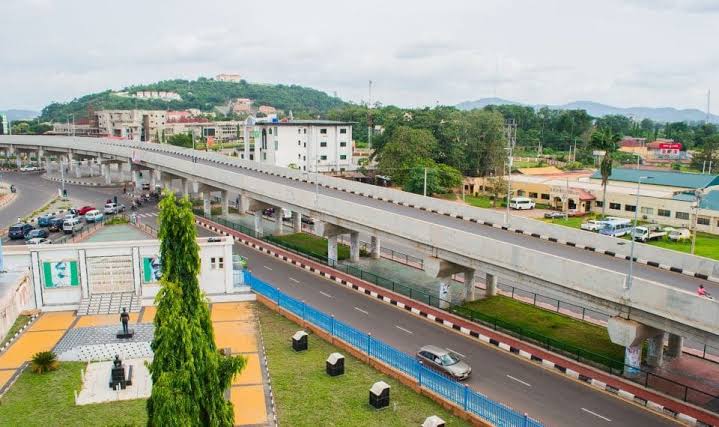
Residents of Ekiti State are grappling with a sharp rise in housing costs as inflation continues to drive rents beyond the reach of many households, sparking fears of a deepening affordability crisis across the state.
Data from the National Bureau of Statistics (NBS) Consumer Price Index indicates that Ekiti recorded one of the highest inflation rates in late 2025, with housing and accommodation expenses emerging as major contributors. Analysts say rent levels in the state now compare unfavourably with those of several neighbouring states, reflecting broader economic pressures and local demand dynamics.
Investigations across major towns show that Ado-Ekiti, the state capital, alongside education-driven communities such as Oye-Ekiti, Ikere-Ekiti and Iyin-Ekiti, are the most affected. These areas continue to experience sustained demand due to population growth, student influx, and limited housing supply.
Current market checks reveal that single-room apartments now attract annual rents ranging from ₦80,000 to ₦150,000, while self-contained apartments cost between ₦200,000 and ₦350,000, depending on location. Two-bedroom flats in prime areas now rent for between ₦400,000 and ₦500,000 per annum, a level many residents describe as unsustainable.
Residents accuse landlords and property agents of exploiting demand pressures to impose arbitrary rent hikes, often without improvements in basic amenities or infrastructure. Several families say they have been forced to relocate to outlying communities, increasing transport costs and daily stress.
Community leaders have warned that failure to address the rising cost of rent could have far-reaching consequences. Chief Joshua Olaoye cautioned that unchecked increases may make Ekiti unaffordable for students, teachers, and essential workers, weakening the state’s appeal as an education hub.
The Vice-Chancellor of the Federal University of Technology and Environmental Sciences (FUTES), Iyin-Ekiti, Professor Gbenga Aribisala, also raised concerns, noting that excessive rent increases in host communities could disrupt academic activities and discourage prospective students. He urged traditional rulers and local stakeholders to intervene before the situation escalates.
Responding to the growing public outcry, the Speaker of the Ekiti State House of Assembly, Adeoye Aribasoye, disclosed that lawmakers have commenced a review of the state’s tenancy and housing regulations. According to him, the exercise aims to strike a balance between protecting tenants and safeguarding the interests of property owners.
Urban planners say the rent surge highlights deeper structural challenges, including rising construction costs, slow housing development, and weak enforcement of tenancy laws. Without coordinated action involving government, developers, and community leaders, they warn that housing affordability pressures may worsen in 2026.