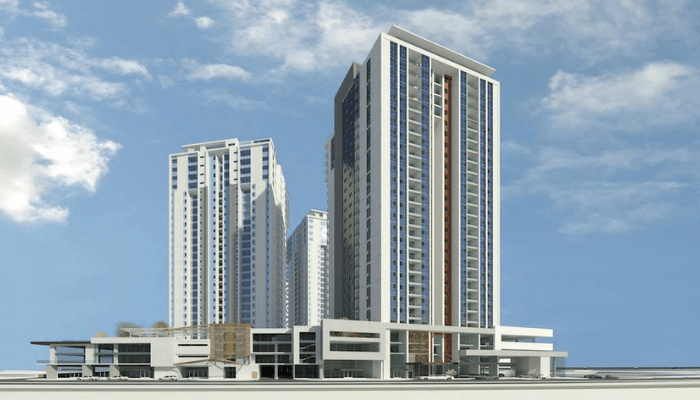
Eko Atlantic City, the ultra-modern metropolis built on reclaimed land from the Atlantic Ocean along Lagos’ Victoria Island coastline, has firmly retained its position as Nigeria’s most expensive residential address, both in property sales and rental values.
Designed as a premium urban enclave with world-class infrastructure, the city has become the preferred destination for multinational corporations, high-net-worth individuals, and investors seeking exclusivity, security, and modern urban living.
Land prices in Eko Atlantic currently average about ₦4.1 million per square metre, significantly higher than other elite locations in Lagos. By comparison, land in Banana Island sells for roughly ₦3.0 million per square metre, Ikoyi for ₦2.2 million, Victoria Island for ₦1.5 million, and Lekki Phase 1 for about ₦1.1 million per square metre.
The premium pricing reflects the city’s extensive infrastructure, including an eight-lane central boulevard, multiple internal bridges, underground utility systems, advanced drainage, and green spaces defined by more than 30,000 trees. The 10-square-kilometre city is modelled after New York’s Manhattan skyscraper district, offering a carefully planned environment rarely found elsewhere in Nigeria.
These advantages come at a steep cost for residents. Renting an apartment in Eko Atlantic now costs more than purchasing a three-bedroom bungalow in many Lagos mainland neighbourhoods.
Annual rent for a studio apartment in the city averages about ₦14.2 million. A one-bedroom apartment costs approximately ₦20.9 million per year, while a two-bedroom apartment goes for about ₦26.6 million. Three-bedroom apartments command rents of roughly ₦35.3 million per annum, placing them well beyond the reach of most middle-income earners.
Market data from Edala Development’s Lagos Residential Market report shows that Eko Atlantic’s rental rates significantly exceed those of other prime island locations, including Banana Island, Ikoyi, Victoria Island, and Lekki Phase 1.
In Banana Island, where rental prices have risen sharply over the past five years, a studio apartment rents for an average of ₦5.1 million per annum. One-bedroom apartments go for about ₦10 million, two-bedroom units for ₦15.5 million, while three-bedroom apartments rent for around ₦27.5 million annually.
According to Samuel Olatunde, co-founder and chief operating officer of Edala Development, Banana Island’s rental market has experienced sustained growth driven by strong demand for luxury living and heightened security.
“Between 2020 and 2025, rental values for family-sized homes increased significantly,” Olatunde said. “A three-bedroom apartment that rented for ₦11 million in 2020 now goes for about ₦27.5 million, while four-bedroom homes have risen from ₦18 million to ₦30.5 million.”
He explained that luxury properties with waterfront views often attract premium rents, while factors such as quality of finishing, modern fittings, and smart home technology increasingly influence final rental prices in high-end neighbourhoods.
Ikoyi’s rental market also reflects its status as one of Nigeria’s most prestigious residential districts. Data from Edala Development indicate strong and consistent rental growth between 2020 and 2025, underpinned by limited supply and steady demand.
A one-bedroom apartment in Ikoyi, which rented for an average of ₦2 million in 2020, now commands about ₦8 million annually, representing a 300 percent increase over five years. Two-bedroom apartment rents rose by about 150 percent within the same period, while three-bedroom apartments—popular among families—now rent for an average of ₦25.5 million, up from ₦8.5 million in 2020.
Olatunde noted, however, that actual rental values in Ikoyi and similar locations vary widely depending on factors such as the age of the building, architectural design, property type, and amenities. Prices differ markedly between block apartments, high-rise towers, terraces, semi-detached houses, and penthouses.
As Lagos continues to evolve as Africa’s leading commercial hub, Eko Atlantic City stands out as a symbol of luxury urban development—one that underscores both the opportunities and widening affordability gap within Nigeria’s real estate market