


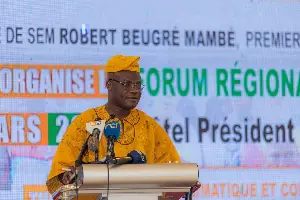
Ghana Considers National Housing Levy to Address 1.8 Million-Unit Deficit
Ghana’s Minister for Works, Housing and Water Resources, Ahmed Ibrahim, has proposed establishing a National Housing Levy to generate sustainable funding for affordable housing projects as the country grapples with a housing deficit estimated at 1.8 million units.
The minister made the proposal during a working visit to the State Housing Company, where he stressed the need for a dedicated funding mechanism to increase housing delivery and improve access to decent accommodation, particularly for young people.
According to Ibrahim, a national housing levy could provide a reliable source of funding for government-led housing projects and help Ghana expand its housing supply.
Ghana Looks to Kenya’s Housing Finance Model
Ibrahim cited Kenya’s National Housing Levy as a possible model for Ghana, noting that the East African country channels tax revenue into a dedicated fund to support housing development.
He challenged Ghana to consider adopting a similar approach to increase the annual delivery of housing units and reduce the growing pressure on the housing sector.
The minister acknowledged that introducing a new levy could attract public opposition, but argued that the country needed to consider long-term solutions to its housing challenges.
He also called on political parties to work together, insisting that housing should be treated as a national development priority rather than a partisan issue.
Housing Development Could Create Jobs
Beyond addressing the housing shortage, Ibrahim said increased investment in residential construction could help tackle youth unemployment.
He proposed involving students from Technical and Vocational Education and Training (TVET) institutions in the construction industry, creating opportunities for young people to develop practical skills while contributing to housing delivery.
The minister identified housing, water and employment as critical national needs that require coordinated action.
Funding and Implementation Remain Key Questions
Although the proposed levy could provide an additional funding stream for affordable housing, its effectiveness will depend on how the policy is designed and implemented.
Important considerations include how the levy would be collected, how the proceeds would be managed and whether the resulting funds would translate into homes that low- and middle-income households can afford.
The proposal comes amid broader efforts by Ghana to mobilise long-term funding for housing development and improve access to homeownership.
For now, the National Housing Levy remains a proposal, with further policy details needed to determine how it would work in practice.