


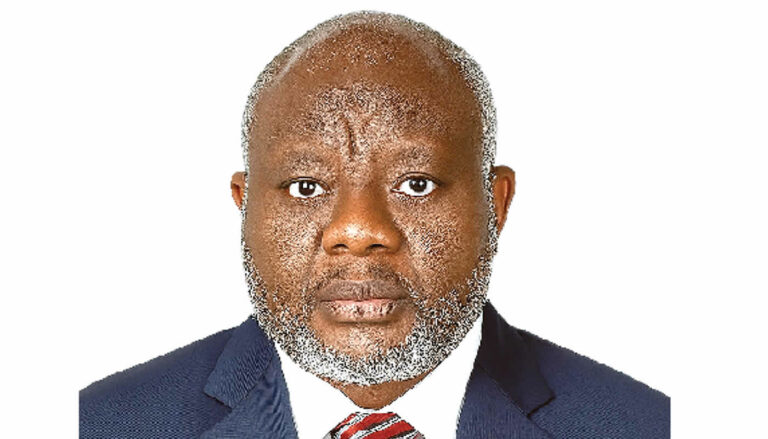
The Chief Executive Officer of the Mortgage Banking Association of Nigeria, Adedeji Ajadi, has warned that Nigerians earning below N500,000 per month are effectively excluded from home ownership under the current mortgage structure, deepening the Nigeria mortgage affordability crisis.
Speaking in an interview, Ajadi described the country’s mortgage penetration rate—currently below one per cent—as alarmingly low, particularly in the face of a housing deficit estimated at over 28 million units.
Structural Barriers to Mortgage Growth
Ajadi identified limited access to formal financial systems as a primary obstacle. A large proportion of Nigerians operate within the informal economy and cannot meet documentation requirements such as verifiable income records and formal employment contracts.
High interest rates, currently ranging between 18 and 27 per cent, further compound affordability constraints. At these levels, mortgage repayments on even modest housing units often exceed 40 per cent of a borrower’s monthly income, breaching internationally accepted affordability thresholds.
Legal and administrative bottlenecks also weaken the system. Inefficient land titling processes, prolonged foreclosure procedures, and fragmented property records discourage lenders and inflate risk premiums. As a result, many Nigerians resort to incremental self-construction or informal housing arrangements instead of formal mortgage financing.
Pathways to Lower Interest Rates
Ajadi emphasised that reducing mortgage rates requires a coordinated, multi-layered strategy.
Strengthening long-term funding access through refinancing institutions such as the Nigeria Mortgage Refinance Company is essential to provide liquidity to primary lenders.
Government-backed interventions—including subsidised financing programmes and targeted housing funds—can also reduce borrowing costs for low- and middle-income earners. However, macroeconomic stability remains critical. Persistent inflation, which exceeded 33 per cent in 2024, alongside exchange rate volatility, continues to increase funding costs and erode household purchasing power.
Without stable inflation and currency conditions, lenders will continue pricing mortgages at elevated levels to offset risk exposure.
Informal Economy and Youth Inclusion
With roughly 85 per cent of Nigeria’s workforce operating in the informal sector, traditional salary-based mortgage models remain exclusionary.
Ajadi advocated for alternative credit scoring frameworks that incorporate rent payment history, utility bills, mobile wallet transactions and remittance inflows to assess borrower credibility. Flexible repayment models—including income-linked instalments, step-up mortgage structures and hybrid rent-to-own schemes—could improve access for young professionals and informal earners with variable income streams.
Micro-mortgages and cooperative-backed housing guarantees were also identified as scalable options to widen participation in housing finance.
Diaspora Capital and Mortgage-Backed Securities
Despite diaspora remittances surpassing $20 billion in 2023, Ajadi noted that mortgage-linked investments remain limited due to concerns over fraud, weak land administration systems and limited transparency.
To unlock diaspora capital, he recommended the development of standardised mortgage pools, credit enhancement mechanisms and internationally rated mortgage-backed securities. Transparent digital platforms, enforceable legal frameworks and credible dispute resolution mechanisms would be necessary to build investor confidence.
Lessons could be drawn from countries such as Kenya and Morocco, where securitisation and refinancing models have deepened housing finance markets.
Technology and Land Reform
Ajadi highlighted the transformative potential of digitised land registries and blockchain-based title systems. Tamper-proof property records would reduce fraud, accelerate verification processes and enhance lender confidence.
Streamlined land registration and clearer ownership documentation would expand the pool of mortgage-eligible properties, strengthening collateral security and reducing default risks.
Consumer Protection Gaps
Weak consumer protection frameworks in Nigeria’s housing finance market expose borrowers to opaque pricing structures, hidden fees and exploitative clauses. Ajadi called for standardised mortgage contracts, mandatory annual percentage rate disclosures and the establishment of a dedicated mortgage ombudsman to resolve disputes.
He stressed that improved regulatory safeguards would restore trust and attract both domestic and institutional investors.
Outlook for Home Ownership
Under current conditions, Ajadi maintained that home ownership remains largely unrealistic for Nigerians earning below N500,000 monthly. Without structural reforms addressing funding costs, land administration, legal enforcement and macroeconomic volatility, the Nigeria mortgage affordability crisis will persist.
However, with coordinated policy reforms, digital innovation and targeted subsidy frameworks, the mortgage sector could evolve into a more inclusive and sustainable pillar of Nigeria’s housing ecosystem.
