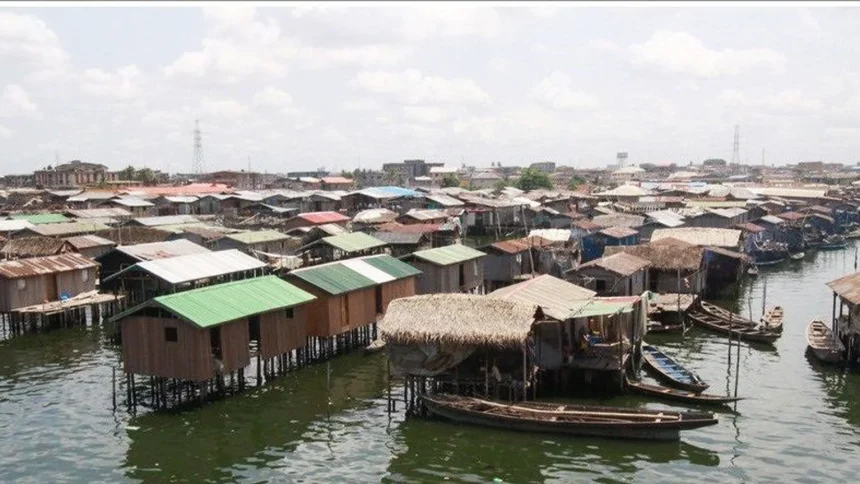
With less than five years to 2030, Nigeria faces a steep housing deficit, requiring reforms, financing innovations, and private sector engagement to meet Sustainable Development Goal 11.
Nigeria faces a critical challenge in achieving the United Nations Sustainable Development Goal (SDG) 11, which aims to make cities and human settlements inclusive, safe, resilient, and sustainable. With a housing deficit estimated at 14.9 million units, millions of Nigerians continue to live in overcrowded settlements or substandard housing.
To meet the projected population of over 460 million by 2030, Nigeria would need to deliver at least 550,000–900,000 new homes annually. Current formal housing delivery, however, ranges between 100,000 and 150,000 units per year, highlighting a significant gap. In Lagos alone, the deficit stands at 3.4 million units.
Housing and Sustainable Development
Adequate housing is central to multiple SDGs, contributing to poverty reduction, improved health outcomes, access to clean water, sanitation, and climate resilience. Experts note that housing forms the foundation for sustainable communities, ensuring stability, education access, and reduced overcrowding-related health risks.
Challenges in Delivery
Urban centres are under intense pressure due to rural-urban migration. Existing housing often lacks clean water, sanitation, electricity, and structural safety. Rapid population growth has outpaced infrastructure development, creating sprawling informal settlements and slums.
Federal Government Role
The Federal Ministry of Housing and Urban Development has focused on improving data accuracy, establishing the National Housing Data Technical Committee to provide credible statistics for policy-making. Initiatives such as the Renewed Hope Housing Programme, rent-to-own schemes, and public-private partnerships aim to increase affordable housing supply.
However, low mortgage penetration, high interest rates, and limited access to long-term loans remain major barriers. Experts call for stronger financing frameworks and more inclusive housing policies.
State Governments and Land Administration
State governments control land administration and urban planning under the Land Use Act of 1978. Bureaucratic delays, high land costs, and weak planning systems slow housing development. Experts recommend digitising land registries, simplifying approvals, and establishing land banks to reduce development costs and encourage private investment.
Private Sector Participation
Developers, housing cooperatives, and financial institutions are vital to bridging the housing gap. Incentives such as tax reliefs, land concessions, and streamlined approval processes can encourage investment. Innovative construction technologies, including prefabricated housing and alternative building materials, can lower costs and accelerate delivery.
Climate Resilience
Housing projects must integrate climate-resilient designs, especially in flood-prone areas like Lagos, Delta, Rivers, and Bayelsa States. Measures include improved drainage, flood-resistant foundations, and energy-efficient building materials to protect residents and align with global sustainability standards.
Expert Recommendations
- Implement digital and fast-tracked land titling nationwide
- Expand mortgage options beyond salary-based borrowers
- Promote mixed-income, mixed-use communities
- Upgrade informal settlements instead of displacing residents
- Encourage incremental housing finance and micro-mortgages for informal sector workers
- Strengthen public-private partnerships (PPPs) and fiscal incentives for developers
According to housing experts, achieving SDG 11 is ambitious but possible with immediate structural reforms, multi-billion-dollar investments, and strong collaboration between federal and state governments.
Nigeria’s housing challenge is not a lack of schemes but weak institutional execution. By reforming land administration, expanding financing options, and leveraging private sector participation, the country can significantly improve access to safe, affordable, and sustainable housing before 2030.