


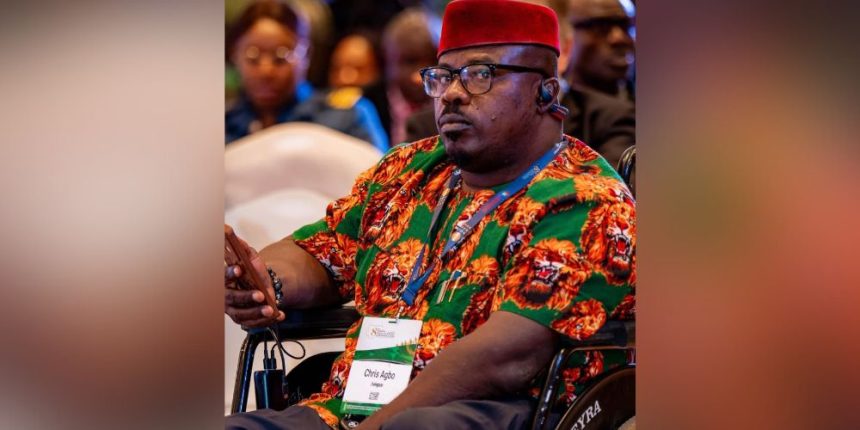
Despite the passage of the Discrimination Against Persons with Disabilities Act and the transition period ending over five years ago, accessibility remains a major challenge in Nigeria. Chris Agbo, Chairman of the National Association of Persons with Physical Disability (NAPWPD) FCT Chapter and Publisher of Qualitative Magazine, disclosed that only about 2% of buildings in Nigeria, including the Federal Capital Territory (FCT), are currently accessible to persons with disabilities.
Agbo explained that the Act mandated adjustments in public and private buildings to accommodate persons with disabilities, but compliance has been slow. “We are not where we used to be, but we have not gotten where we want to be,” he said. Accessibility audits show that even buildings perceived as accessible often fail to meet minimum standards.
What Makes a Building Accessible?
Agbo emphasized that accessibility extends beyond ramps. Buildings must consider diverse needs:
- Wheelchair users: Ramps, grab bars, large accessible toilets, reachable switches, and proper parking spaces.
- Blind persons: Tactile paving systems, braille buttons in elevators, and audio announcements.
- Persons with albinism or low vision: Colour-coded steps, appropriate lighting, and contrast markings.
Even iconic buildings like the National Assembly, he noted, have some accessible features but fail overall due to missing elements like wheelchair-accessible toilets and proper parking.
Achieving Accessibility: Roles and Responsibilities
Agbo highlighted two main approaches:
- Government enforcement: The National Commission for Persons with Disabilities has the authority to ensure compliance and seal non-accessible buildings but has not fully exercised this power.
- Awareness creation: Ministries, especially the Ministry of Information, must educate the public on accessibility laws and penalties for non-compliance.
Additionally, MDAs (Ministries, Departments, and Agencies) are required to employ at least 5% persons with disabilities, ensure accessible workplaces, and budget for sign language interpreters and accessible materials. Private individuals and organizations are equally responsible for ensuring public spaces, offices, and businesses are accessible. Non-compliance can result in legal action and damages.
Challenges in Public Spaces
Agbo noted daily obstacles, from inaccessible event centers and banks to airports. For instance, Nigerian airports often rely on staff to carry wheelchair users onto planes instead of using ambulifts. He stressed that international standards for inclusive design are achievable locally without extra costs.
Economic Empowerment and Reducing Discrimination
To improve inclusion, Agbo recommended that the government:
- Cover extra costs for assistive devices through social security or health insurance
- Provide jobs, business support, and accessible markets for persons with disabilities
- Promote inclusive design in all public infrastructure
He concluded that economic empowerment is crucial to reducing discrimination and enabling full societal participation for persons with disabilities.
